WCB Injuries in Edmonton
Workplace injuries can happen in many different ways. A sudden fall, lifting incident, awkward movement, repetitive task, or physically demanding job can result in pain, reduced mobility, and difficulty performing normal work duties. Even injuries that initially seem minor can become more disruptive when symptoms persist or physical demands continue.
For people dealing with WCB injuries in Edmonton, physiotherapy can provide structured rehabilitation focused on improving movement, strength, flexibility, and functional capacity. At Glenridding Physiotherapy, treatment is tailored to your injury, daily activities, workplace requirements, and recovery goals.
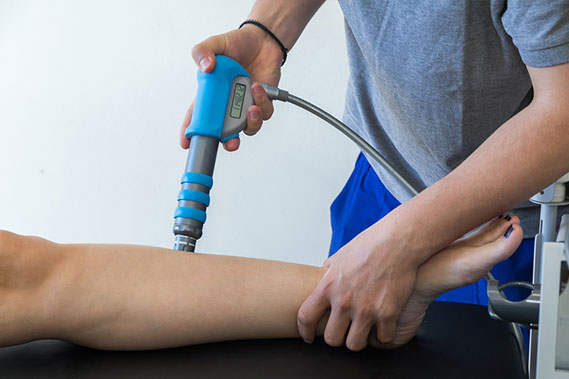
Our approach may include physiotherapy assessment, therapeutic exercise, mobility work, manual therapy, strengthening, education, and progressive functional rehabilitation. The goal is to help you manage your symptoms while working toward a safe and confident return to work and everyday activities.
What Are WCB Injuries?
WCB injuries in Edmonton are work-related injuries or conditions that may affect an employee’s ability to perform their normal job responsibilities. These injuries can occur following a specific workplace accident or develop gradually because of repetitive movements, overuse, or ongoing physical demands.
Common examples include:
- Back and neck injuries
- Shoulder injuries
- Knee injuries
- Hip injuries
- Ankle and foot injuries
- Muscle strains
- Ligament sprains
- Tendon injuries
- Repetitive strain injuries
- Overuse conditions
- Injuries caused by slips and falls
- Lifting-related injuries
The symptoms and physical limitations associated with a workplace injury can vary considerably. Some people experience immediate pain following an accident, while others gradually notice stiffness, weakness, or discomfort after performing the same task repeatedly.
For individuals searching for WCB injuries in Edmonton, understanding how the injury affects movement and work capacity is an important part of developing an appropriate rehabilitation plan.
Who Can Develop Work-Related Injuries?
Workplace injuries can affect people across many occupations and activity levels. You do not necessarily need to perform heavy physical labour to experience an injury.
Construction and Trades Workers
Carpenters, electricians, plumbers, mechanics, contractors, and other tradespeople may perform repeated lifting, carrying, gripping, bending, reaching, kneeling, or overhead activities.
Warehouse and Industrial Workers
Frequent lifting, pushing, pulling, carrying, loading, and unloading can place considerable demands on the back, shoulders, knees, and other joints.
Healthcare Workers
Healthcare professionals and support workers may experience physical strain from transferring patients, prolonged standing, awkward positions, or repetitive tasks.
Office Workers
Long periods of sitting, computer use, and repetitive hand or arm movements may contribute to neck, shoulder, wrist, or back discomfort.
Retail and Service Workers
Standing for extended periods, lifting inventory, reaching, carrying products, and repetitive customer-service tasks can contribute to musculoskeletal problems.
Regardless of occupation, rehabilitation should take into account the physical requirements of your particular job.
Common Signs of a Workplace Injury
Work-related injuries do not look the same for everyone. Symptoms depend on the affected body part, injury type, severity, and physical demands placed on the area.
Common signs may include:
- Localized pain
- Muscle soreness or tenderness
- Joint stiffness
- Swelling
- Reduced range of motion
- Muscle weakness
- Difficulty lifting or carrying
- Reduced grip strength
- Balance difficulties
- Pain with repetitive activity
- Discomfort during prolonged standing or sitting
- Difficulty completing normal work duties

Some people notice symptoms only during work activities, while others experience discomfort throughout the day.
If an injury involves significant trauma, severe pain, substantial swelling
Problems WCB Physiotherapy Can Address
People commonly seek physiotherapy when a workplace injury begins interfering with their ability to work, exercise, sleep, or manage everyday responsibilities.
Physiotherapy may help address:
- Persistent pain
- Joint stiffness
- Muscle weakness
- Reduced mobility
- Poor balance
- Reduced endurance
- Difficulty lifting
- Difficulty carrying objects
- Reduced tolerance for repetitive activities
- Challenges with workplace movements
- Loss of physical conditioning following an injury
- Difficulty returning to previous work duties
The assessment does not necessarily focus only on the painful area. Your physiotherapist may also consider surrounding joints, muscle strength, movement patterns, posture, flexibility, and the physical demands contributing to your symptoms.
WCB Injury Assessment at Glenridding Physiotherapy
When you visit Glenridding Physiotherapy for WCB Injuries in Edmonton, your assessment begins with a discussion about your injury, symptoms, occupation, and current limitations.
Your physiotherapist may ask:
- How did the injury happen?
- When did your symptoms begin?
- Was there a specific workplace incident?
- Which activities increase your symptoms?
- What are your normal job responsibilities?
- Are you having difficulty lifting, walking, reaching, bending, or carrying?
- Have you experienced similar symptoms before?
- What activities are currently difficult?
- What are your goals for rehabilitation?
A physical assessment may then examine movement, strength, flexibility, balance, posture, joint mobility, and functional capacity.
The assessment helps your physiotherapist understand how the injury affects your body and your ability to perform relevant activities.
Physiotherapy for WCB Injuries
Treatment varies according to your injury, symptoms, physical abilities, and work requirements.
Therapeutic Exercise
Exercise is often an important part of rehabilitation. Your program may include:
- Strengthening exercises
- Mobility exercises
- Stretching
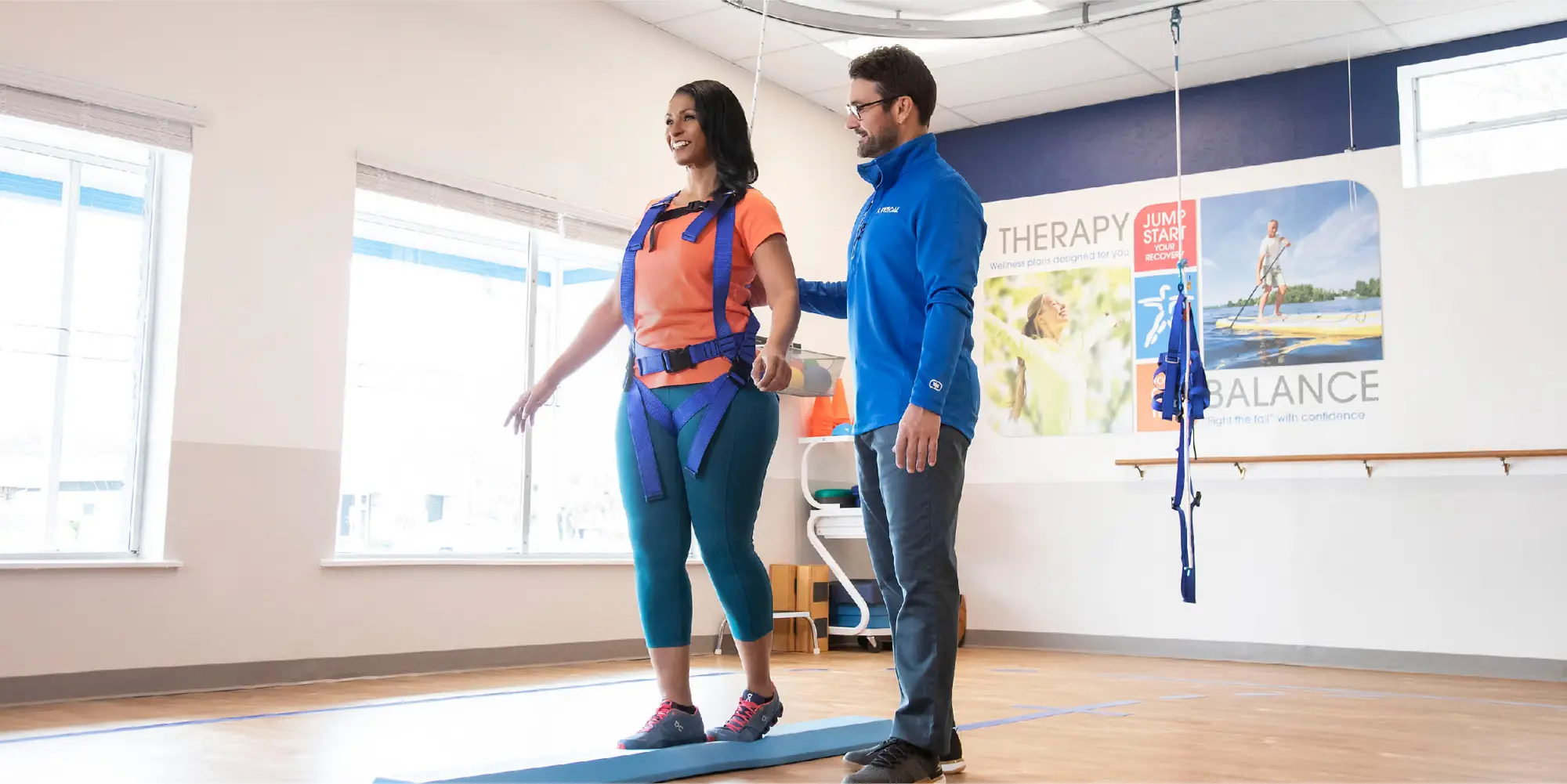
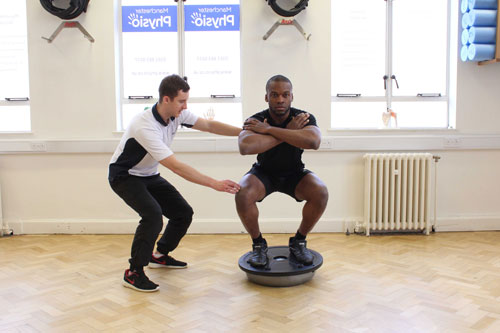
- Balance training
- Core strengthening
- Postural exercises
- Resistance training
- Endurance conditioning
- Functional movement exercises
Exercises can be progressed as your strength and tolerance improve.
Manual Therapy
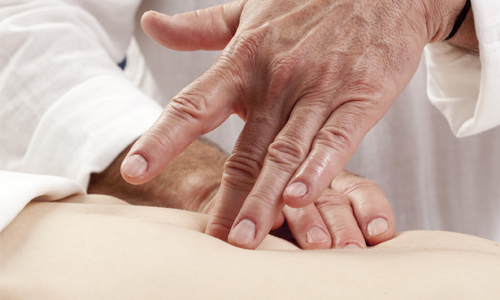
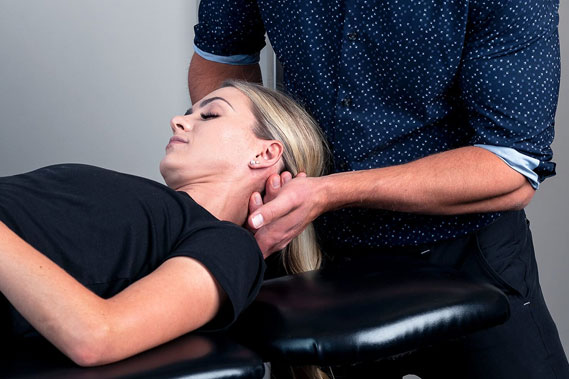
Manual therapy may be incorporated into physiotherapy when appropriate. Techniques may be used to address certain movement restrictions and complement an active rehabilitation program.
Manual therapy is often combined with therapeutic exercise and education rather than being the sole focus of treatment.
Activity Modification
You may not need to completely stop every activity following an injury. Instead, some tasks may need to be temporarily modified based on your symptoms and physical capacity.
Changes may involve task frequency, duration, lifting technique, workload, positioning, or rest periods.
Progressive Rehabilitation
A gradual increase in physical demands can help your body adapt to the requirements of work. Rehabilitation may begin with basic movements and progress toward more demanding activities as your capacity improves.
How the WCB Physiotherapy Process Works
1. Consultation
Your physiotherapist discusses your injury, symptoms, occupation, lifestyle, and current activity level.
2. Physical Assessment
Movement, strength, mobility, balance, and functional limitations are assessed based on your condition.
3. Treatment Planning
A personalized rehabilitation program is developed around your physical needs and recovery goals.
4. Active Rehabilitation
Treatment may include therapeutic exercise, mobility work, manual therapy, education, and functional activities.
5. Progress Review
Your response to treatment is monitored as your abilities change. Exercises and activity levels can be adjusted according to your progress.
6. Return to Work
Rehabilitation can gradually shift toward activities that reflect the physical requirements of your job, helping you build greater tolerance and confidence.
Benefits of Physiotherapy for WCB Injuries in Edmonton
Physiotherapy can offer several practical benefits for people recovering from workplace injuries.
Improved Mobility
Targeted movement exercises can help restore functional range of motion and reduce limitations caused by stiffness.
Increased Strength
Progressive resistance exercises can rebuild strength following injury or reduced activity.
Better Work Capacity
Functional rehabilitation can help prepare your body for activities such as lifting, carrying, standing, walking, reaching, or repetitive movement.
Improved Physical Confidence
As your strength and movement improve, you may feel more confident performing tasks that previously caused discomfort or difficulty.
Individualized Care
Treatment can be adjusted according to your injury, occupation, physical capacity, and rehabilitation progress.
Support for Long-Term Function
Education and exercise can help you understand how to manage physical demands and maintain appropriate conditioning after your initial recovery.
How Long Does WCB Rehabilitation Take?
Recovery varies from person to person. The timeline can depend on the type and severity of the injury, how long symptoms have been present, your physical demands at work, general conditioning, and how your body responds to rehabilitation.
Other factors may include:
- Workload
- Activity level
- Previous injuries
- Sleep and recovery
- Strength and conditioning
- Consistency with exercises
- Amount of repetitive activity
Some people may notice improvements relatively early, while others require a longer period of progressive rehabilitation.
Your physiotherapist can monitor your response and modify your treatment plan as your functional abilities change.
Preventing Future Workplace Injuries
Once your symptoms improve, maintaining appropriate physical conditioning can help prepare your body for future workplace demands.
Useful strategies may include:
- Maintaining strength and mobility
- Gradually increasing physical workload
- Using appropriate lifting techniques
- Taking suitable breaks during repetitive tasks
- Alternating demanding activities when possible
- Maintaining good physical conditioning
- Addressing recurring symptoms early
- Following an appropriate home exercise program
- Preparing for increases in work demands
Prevention strategies should reflect the specific activities and physical requirements associated with your occupation.
Frequently Asked Questions About WCB Injuries in Edmonton
What are common WCB injuries?
Common workplace injuries include back pain, neck injuries, shoulder problems, knee injuries, sprains, strains, tendon problems, repetitive strain injuries, and injuries associated with lifting, falls, or repetitive tasks.
Can physiotherapy help with WCB injuries?
Physiotherapy can help address many physical limitations associated with workplace injuries, including pain, stiffness, weakness, reduced mobility, and decreased functional capacity.
What happens during a WCB physiotherapy assessment?
Your physiotherapist reviews your injury and symptoms and performs a physical assessment of relevant movement, strength, mobility, and functional abilities. Your work requirements and recovery goals may also be considered.
Will I receive exercises?
Depending on your condition, you may receive a personalized exercise program that can include strengthening, mobility, flexibility, balance, endurance, and functional exercises.
Can physiotherapy help me return to work?
Rehabilitation can focus on improving the physical abilities required for your job. As your capacity improves, exercises may become more specific to workplace activities.
How long will treatment take?
The duration of rehabilitation varies depending on the injury, symptoms, job demands, and individual response to treatment. Your physiotherapist can monitor progress and adjust your program accordingly.
Should I continue working with an injury?
The decision depends on the injury, symptoms, job requirements, and recommendations from the appropriate healthcare and workplace professionals. A physiotherapist can help identify physical limitations and rehabilitation goals.
service areas
Glenridding Physiotherapy provides physiotherapy support for individuals recovering from workplace-related injuries in Edmonton and surrounding communities.
- Boyle Street
- Riverdale
- McCauley
- Forest Heights
- Cromdale
- Oliver
- Garneau
Whether your injury involves your back, neck, shoulder, knee, hip, wrist, or another area, rehabilitation can be tailored to your symptoms and physical requirements.
For individuals looking for WCB Injuries in Edmonton, professional physiotherapy can provide a structured approach to improving movement, strength, endurance, and functional capacity.
Why Choose Glenridding Physiotherapy?
Recovering from a workplace injury can be frustrating when symptoms interfere with your job, family responsibilities, exercise, or everyday routine.
At Glenridding Physiotherapy, the focus is on individualized rehabilitation that considers more than the location of your pain. Your assessment may consider your movement patterns, physical capacity, workplace activities, lifestyle, and recovery objectives.
Treatment may include:
- Personalized physiotherapy assessment
- Exercise-based rehabilitation
- Strength and conditioning
- Mobility training
- Functional rehabilitation
- Manual therapy when appropriate
- Patient education
- Activity modification
- Progressive return-to-work preparation
The rehabilitation plan can be adjusted as your symptoms and physical abilities change.
Related Physiotherapy Services
Depending on your condition, related services may include:
- General physiotherapy
- Exercise therapy
- Manual therapy
- Back and neck rehabilitation
- Shoulder rehabilitation
- Knee rehabilitation
- Sports injury rehabilitation
- Strength and conditioning
- Mobility training
- Functional rehabilitation
- Workplace injury rehabilitation
Your physiotherapist can determine which services are appropriate based on your assessment and individual goals.
Contact Glenridding Physiotherapy.
A workplace injury can make it difficult to work, exercise, and manage everyday activities comfortably. With personalized physiotherapy and rehabilitation, you can work toward restoring mobility, rebuilding strength, improving physical function, and returning to the activities that matter most.
Glenridding Physiotherapy offers individualized care tailored to your injury, workplace demands, symptoms, and rehabilitation goals if you are searching for WCB injuries in Edmonton. Our team can help guide you through a progressive treatment approach designed to support your recovery and improve your functional abilities.
Take the next step toward a stronger and more confident recovery. Schedule your rehabilitation journey today by booking an appointment with Glenridding Physiotherapy.
Address: 2049 163 St SW, Edmonton, AB T6W 4V5, Canada
Phone: +1 780-250-4950