Concussion Therapy in Edmonton
A concussion can affect how you move, think, exercise, and manage everyday activities. Symptoms may include headaches, dizziness, balance difficulties, fatigue, neck discomfort, sensitivity to light or noise, and reduced tolerance for physical activity. While many people recover without long-term problems, some continue to experience symptoms that make returning to work, school, sports, or normal routines challenging.
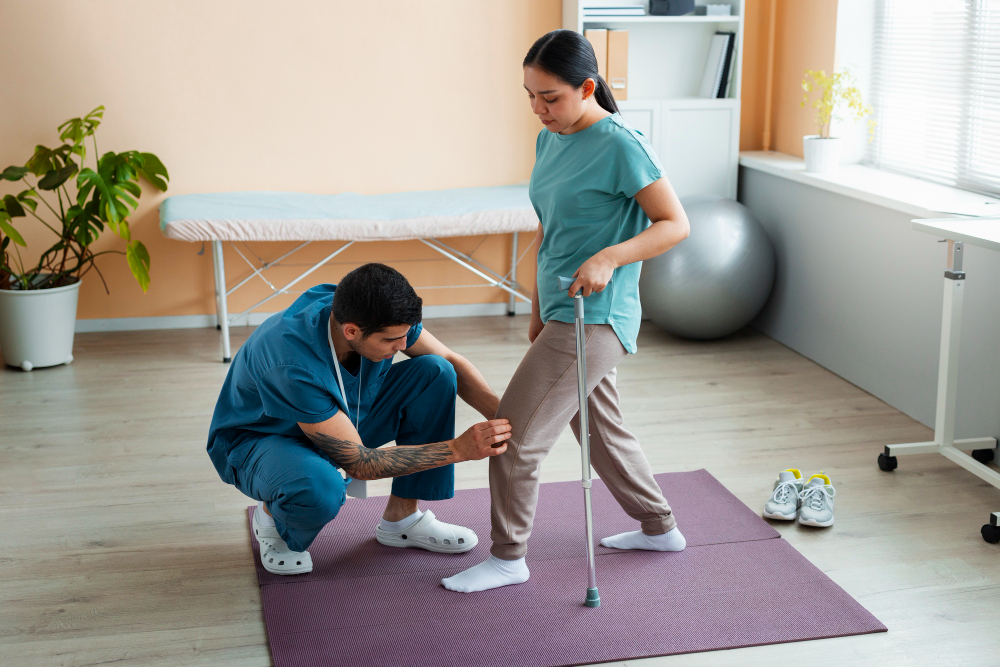
At Glenridding Physio, concussion therapy in Edmonton focuses on identifying movement-related and physical limitations following a concussion and developing an individualized rehabilitation plan. Our physiotherapy approach may incorporate vestibular rehabilitation, balance training, therapeutic exercise, neck rehabilitation, and gradual return-to-activity strategies based on your symptoms and functional goals.
What Is Concussion Therapy in Edmonton?
A concussion is a type of mild traumatic brain injury that can occur after a blow or jolt to the head or body. The resulting symptoms can affect several systems involved in movement, balance, vision, coordination, and exercise tolerance.
Concussion therapy in Edmonton is a physiotherapy-based rehabilitation approach that helps address physical and functional problems that may remain after a concussion.
Depending on your assessment, rehabilitation may focus on:
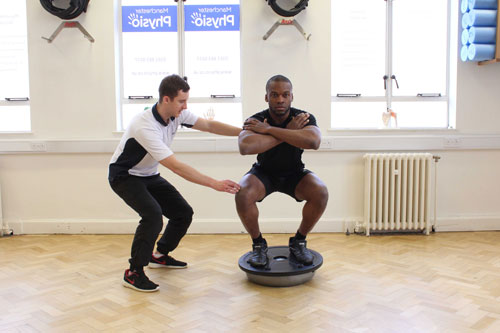
- Balance and coordination
- Vestibular function
- Eye and head movement tolerance
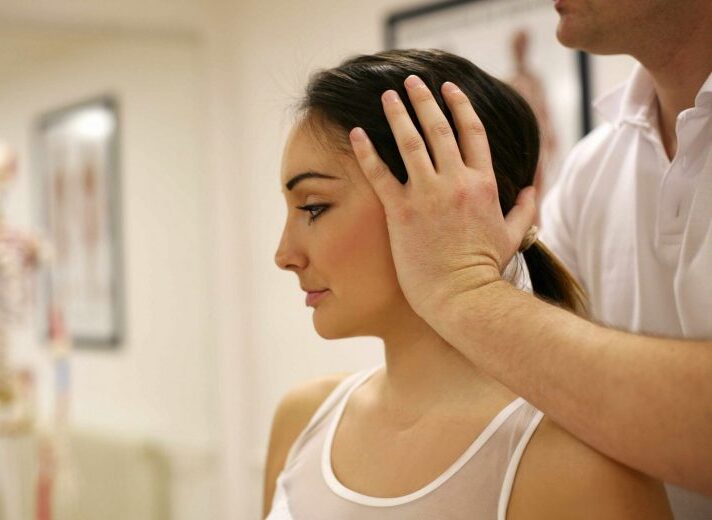
- Neck mobility and strength
- Exercise tolerance
- Functional movement
- Gradual return to physical activity
- Sport-specific movement
- Work-related physical requirements
Concussion rehabilitation is not identical for everyone. Your physiotherapist will consider your symptoms, injury history, activity level, and goals when determining an appropriate treatment approach.
What Is Concussion Therapy in Edmonton?
A concussion is a type of mild traumatic brain injury that can occur after a blow or jolt to the head or body. The resulting symptoms can affect several systems involved in movement, balance, vision, coordination, and exercise tolerance.
Concussion therapy in Edmonton is a physiotherapy-based rehabilitation approach that helps address physical and functional problems that may remain after a concussion.
Depending on your assessment, rehabilitation may focus on:
- Balance and coordination
- Vestibular function
- Eye and head movement tolerance
- Neck mobility and strength
- Exercise tolerance
- Functional movement
- Gradual return to physical activity
- Sport-specific movement
- Work-related physical requirements
Concussion rehabilitation is not identical for everyone. Your physiotherapist will consider your symptoms, injury history, activity level, and goals when determining an appropriate treatment approach.
Common Symptoms After a Concussion
Concussion symptoms can vary significantly between individuals. Some people experience only a few symptoms, while others may have several that interfere with everyday activities.
Common symptoms may include:
- Headaches
- Dizziness
- Balance difficulties
- Fatigue
- Neck pain or stiffness
- Motion sensitivity
- Visual discomfort
- Difficulty tolerating busy environments
- Reduced exercise tolerance
- Coordination difficulties
- Feeling unsteady while walking
- Difficulty returning to sports
- Increased symptoms during physical activity
Symptoms may become more noticeable when you increase your activity level. For example, walking quickly, exercising, moving your head repeatedly, or participating in sports may trigger or increase certain symptoms.
A physiotherapy assessment can help identify which physical and movement-related factors may be contributing to these difficulties.
What Causes Concussions?
A concussion can result from a direct or indirect force that causes the brain to move rapidly within the skull.
Potential causes include the following:
Sports Injuries
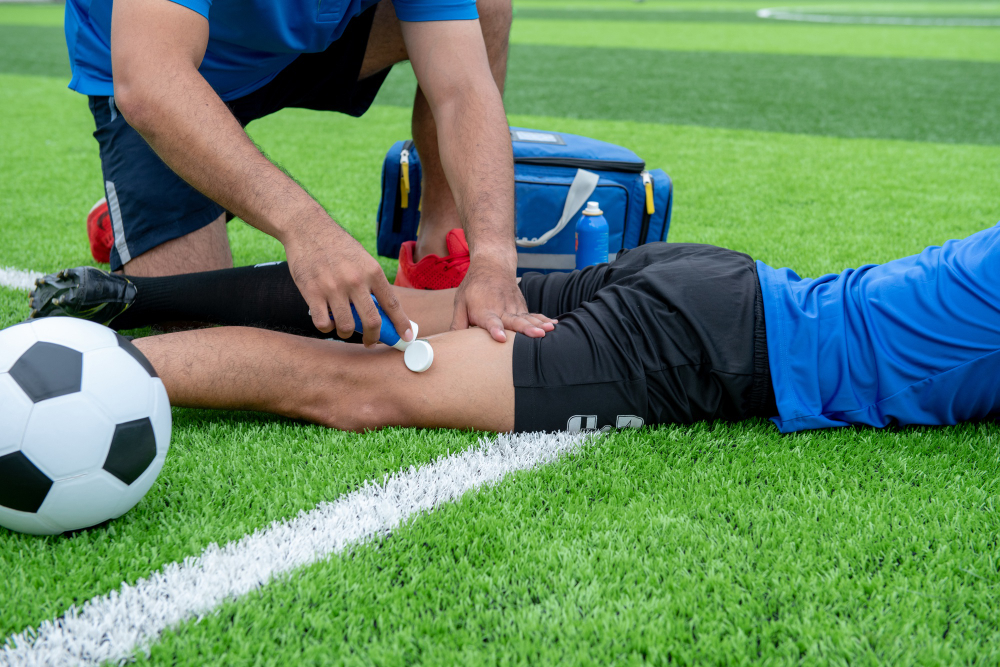
Contact sports, falls, collisions, and other athletic incidents can result in concussions. Athletes may need a structured rehabilitation process before returning to full training and competition.
Motor Vehicle Accidents
Sudden acceleration or deceleration during a collision can contribute to concussion and may also cause associated neck injuries.
Falls
Falls can produce a direct impact on the head or body. Balance problems may occur following the injury and can affect confidence with movement.
Workplace Incidents
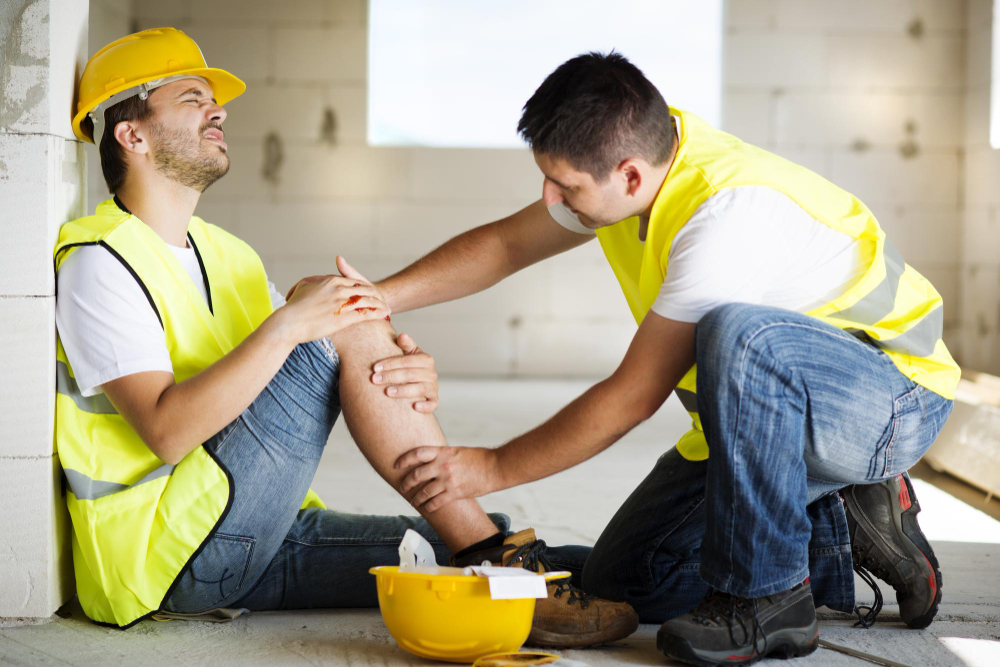
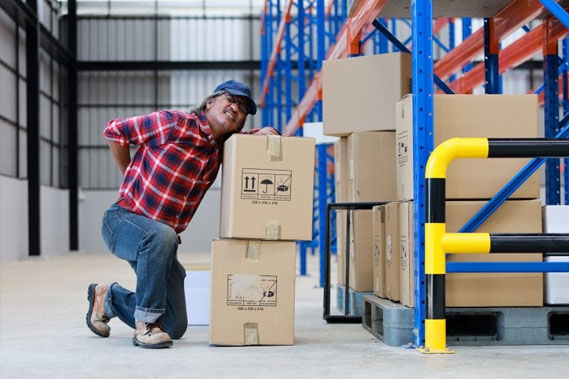
Concussions can occur in physically demanding workplaces through falls, impacts, collisions, or other accidents.
Recreational Activities
Cycling, skating, skiing, snowboarding, and other recreational activities can involve situations where a concussion may occur.
The cause of the injury is important, but rehabilitation also considers how the person is functioning after the concussion.
Who May Benefit From Concussion Physiotherapy?
People with ongoing physical or movement-related symptoms following a concussion may benefit from physiotherapy assessment.
Glenridding Physio may work with:
- Athletes
- Recreational sports participants
- Students
- Office workers
- Healthcare professionals
- Tradespeople
- Drivers
- Active adults
- Older adults
- Individuals recovering from motor vehicle accidents
- People returning to work after injury
For athletes, rehabilitation may focus on safely progressing toward sport-specific activity.
For workers, treatment may consider lifting, carrying, walking, bending, reaching, or other job-specific demands.
For students and office workers, rehabilitation may focus on gradually rebuilding tolerance for everyday physical activity and movement.
Problems Physiotherapy Can Address
Dizziness and Vestibular Symptoms
Some individuals experience dizziness or motion sensitivity following a concussion. Vestibular rehabilitation may include specific exercises designed to improve tolerance to head movements, visual stimulation, and balance challenges.
Balance Difficulties
A concussion may affect balance and coordination. Rehabilitation can include progressively challenging balance exercises to improve stability and confidence.
Neck Pain and Stiffness
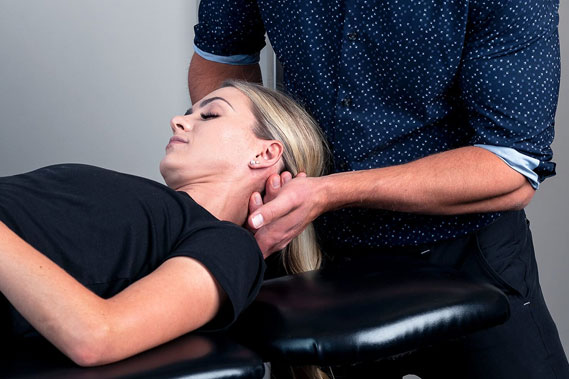
Neck symptoms can occur alongside concussion, particularly after falls, collisions, or motor vehicle accidents. Physiotherapy may address neck mobility, strength, posture, and movement when appropriate.
Exercise Intolerance
Some people discover that physical activity increases their symptoms. A gradual exercise program can help rebuild activity tolerance while monitoring how the body responds.
Difficulty Returning to Sport
Athletes may need to progress through different levels of physical activity before returning to unrestricted training and competition. Rehabilitation can be adapted to the physical demands of the sport.
Work-Related Limitations
Returning to physically demanding work may require preparation for lifting, carrying, bending, walking, or other job-specific activities.
Assessment for Concussion-Related Problems
The first step in rehabilitation is understanding your symptoms and current functional limitations.
During an assessment, your physiotherapist may review:
- How the injury occurred
- Current symptoms
- Previous injuries
- Neck symptoms
- Balance and coordination
- Eye and head movement tolerance
- Walking ability
- Physical activity tolerance
- Work or school requirements
- Sports participation
- Current functional limitations
The physical assessment may include balance testing, movement observation, vestibular screening, neck assessment, functional activities, and exercise tolerance testing where appropriate.
Your physiotherapist uses the findings to identify the areas that require attention during rehabilitation.
If symptoms indicate a need for additional medical evaluation, your physiotherapist may recommend a referral to an appropriate healthcare professional.
Concussion Therapy Treatment
Treatment depends on your symptoms, assessment findings, recovery stage, and goals.
Vestibular Rehabilitation
When dizziness, motion sensitivity, or balance problems are present, vestibular exercises may be incorporated into treatment.
These may include:
- Gaze stabilization
- Head movement exercises
- Balance activities
- Visual-motion exercises
- Habituation exercises
- Walking with head movements
Exercises are selected and progressed according to your individual tolerance.
Therapeutic Exercise
Exercise may play an important role in concussion rehabilitation. Your program can begin at an appropriate level and gradually progress as your exercise tolerance improves.
Neck Rehabilitation
If neck pain or stiffness is contributing to your symptoms, treatment may include mobility exercises, strengthening, posture education, and movement retraining.
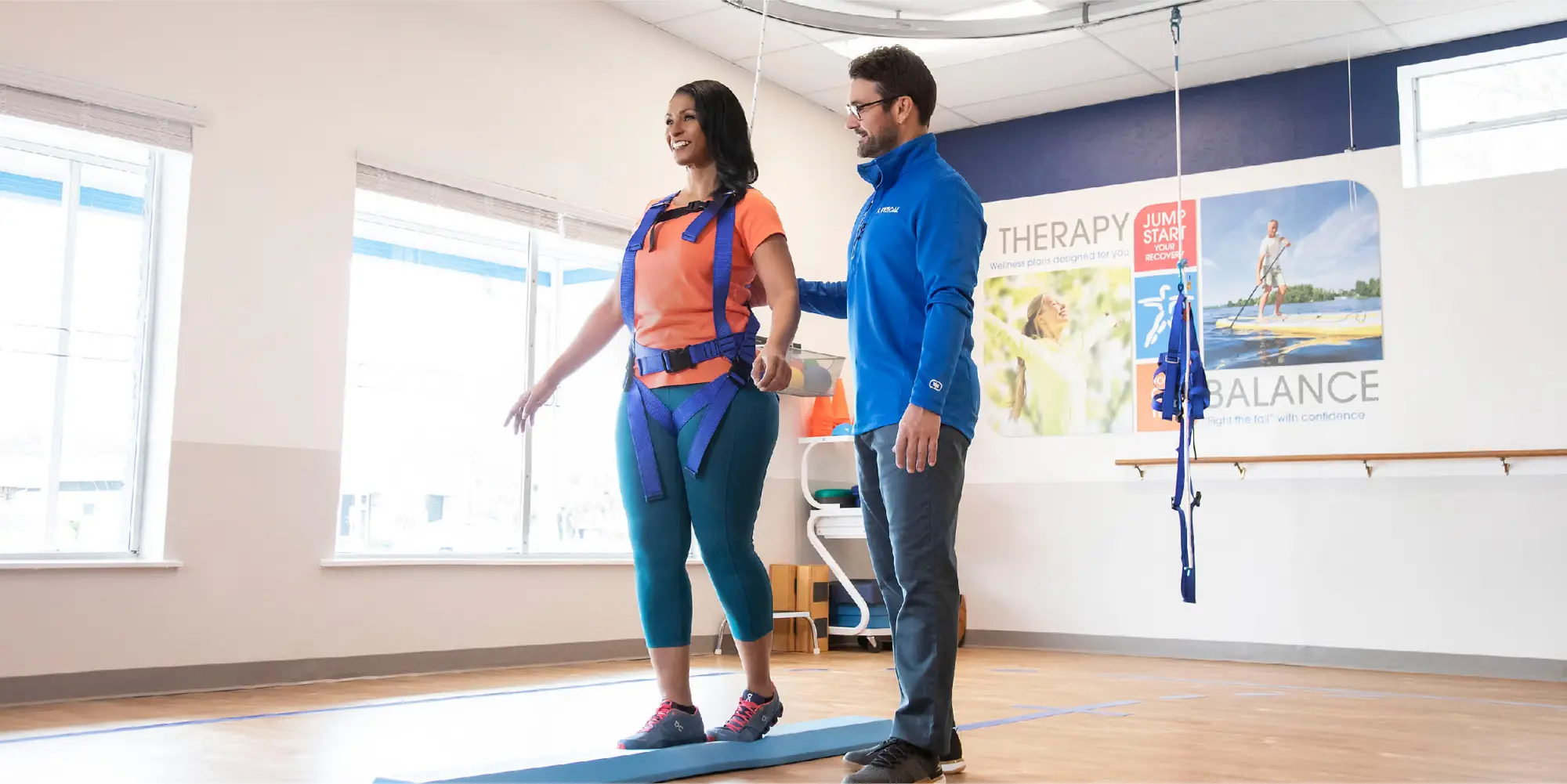
Balance and Coordination Training
Balance exercises can help address unsteadiness and improve control during standing and walking activities.
Activity Modification
Your physiotherapist may recommend temporary adjustments to activities that significantly aggravate symptoms. The goal is generally to find an appropriate level of activity rather than simply avoiding movement altogether.
Functional Rehabilitation
As recovery progresses, exercises can become more closely related to your everyday activities, workplace requirements, or sport.
How the Concussion Rehabilitation Process Works
1. Initial Consultation
Your physiotherapist begins by discussing your injury, symptoms, daily routine, activity level, and rehabilitation goals.
2. Physical Assessment
Relevant systems such as balance, movement, vestibular function, neck mobility, coordination, and exercise tolerance may be assessed.
3. Individualized Rehabilitation Plan
Your physiotherapist develops a treatment plan based on the findings. The program may combine vestibular rehabilitation, therapeutic exercise, balance training, neck treatment, and activity progression.
4. Gradual Progression
Exercises and activities are progressively adjusted as your tolerance improves. Rehabilitation aims to prepare you for increasingly demanding activities.
5. Functional Return
The final stages of rehabilitation may focus on returning to work, school, exercise, recreation, or sport according to your individual requirements.
6. Progress Monitoring
Your response to treatment is reviewed throughout the rehabilitation process, allowing exercises and activity recommendations to be adjusted when needed.
Benefits of Concussion Therapy in Edmonton
A personalized rehabilitation program may help support:
- Improved balance
- Better movement confidence
- Increased exercise tolerance
- Improved neck mobility
- Better coordination
- Improved tolerance for head movements
- Greater confidence with everyday activities
- Progressive return to exercise
- Preparation for work-related activities
- Preparation for sport participation
Recovery timelines vary. Factors such as the nature of the injury, symptom severity, previous injuries, overall health, activity level, and response to treatment can influence recovery.
Physiotherapy is not a replacement for emergency or medical assessment when serious symptoms are present.
Concussion Rehabilitation for Work
A concussion can interfere with both physically demanding and sedentary occupations.
Tradespeople, construction workers, warehouse employees, healthcare professionals, drivers, and other workers may need to regain tolerance for physical tasks.
A rehabilitation program can incorporate movements related to actual job requirements, such as:
- Lifting
- Carrying
- Walking
- Bending
- Reaching
- Climbing stairs
- Repeated movement
- Maintaining balance
- Working in visually busy environments
For office workers and students, rehabilitation may focus on gradually increasing physical activity and movement tolerance as part of the overall recovery process.
Concussion Rehabilitation for Athletes
Athletes often want to return to training as quickly and safely as possible. However, returning directly from limited activity to full-intensity sport may not be appropriate.
Concussion therapy in Edmonton can incorporate progressive rehabilitation based on the demands of the individual’s sport.
Depending on the sport, rehabilitation may eventually include:
- Cardiovascular conditioning
- Balance challenges
- Head and eye movement exercises
- Coordination activities
- Agility exercises
- Sport-specific movement
- Progressive training loads
The progression should be individualized and coordinated with appropriate medical guidance.
When Should You Seek Assessment?
Consider arranging a physiotherapy assessment if you continue to experience physical or movement-related symptoms following a concussion, particularly when those symptoms interfere with normal activities.
You may benefit from an assessment if you have:
- Persistent dizziness
- Balance problems
- Exercise intolerance
- Neck pain or stiffness
- Difficulty returning to physical activity
- Movement-related headaches
- Motion sensitivity
- Reduced confidence with activity
- Difficulty returning to work or sports
Following a head injury, urgent medical assessment is important for serious or worsening symptoms such as repeated vomiting, increasing confusion, seizure, loss of consciousness, severe or worsening headache, significant weakness, or other concerning changes.
Frequently Asked Questions
What is concussion therapy?
Concussion therapy in Edmonton is a rehabilitation approach designed to address physical and functional symptoms that may occur following a concussion. Physiotherapy may focus on balance, vestibular function, exercise tolerance, neck symptoms, coordination, and movement.
Can physiotherapy help after a concussion?
Physiotherapy may help individuals experiencing movement-related symptoms after a concussion. Treatment is based on an assessment and may include therapeutic exercise, vestibular rehabilitation, balance training, and progressive activity.
How long does concussion rehabilitation take?
Recovery varies between individuals. The duration of rehabilitation depends on factors such as symptoms, injury characteristics, activity demands, response to treatment, and overall health.
Can I exercise after a concussion?
Physical activity may be incorporated into rehabilitation at an appropriate level. Exercise intensity and progression should be individualized according to symptoms and professional guidance.
Can physiotherapy help with dizziness after a concussion?
Yes. When dizziness is related to vestibular or balance dysfunction, appropriate vestibular rehabilitation may be included as part of treatment.
Can concussion treatment help with neck pain?
If neck pain or stiffness is present, physiotherapy may include appropriate mobility, strengthening, and movement exercises as part of the overall rehabilitation plan.
Can athletes receive concussion rehabilitation?
Yes. Athletes may benefit from progressive rehabilitation that prepares them for the movement, balance, cardiovascular, and sport-specific demands of their activity.
Do I need a referral?
Referral requirements can depend on your circumstances and insurance coverage. Contact Glenridding Physio to discuss your appointment options.
Service Areas
Glenridding Physio provides physiotherapy services for individuals in Edmonton and surrounding communities. Our clinic supports people looking for concussion therapy in Edmonton following sports injuries, falls, motor vehicle accidents, workplace incidents, and other causes of concussion.
Patients from southwest Edmonton and nearby communities can access individualized physiotherapy focused on their symptoms, functional limitations, and recovery goals.
Why Choose Glenridding Physio?
At Glenridding Physio, we understand that every concussion recovery can look different. Rather than relying on a standard rehabilitation program, our physiotherapy approach considers your symptoms, lifestyle, physical requirements, and personal goals.
Our care may include:
- Individualized assessment
- Personalized rehabilitation planning
- Vestibular rehabilitation
- Balance and coordination training
- Therapeutic exercise
- Neck rehabilitation
- Progressive activity planning
- Functional movement training
- Return-to-work preparation
- Return-to-sport rehabilitation
- Patient education
- Progress monitoring
Our goal is to provide practical, structured rehabilitation that helps you understand your symptoms and work toward improved function.
Related Services
Depending on your symptoms and rehabilitation needs, other physiotherapy services may complement concussion care, including:
- Vestibular therapy
- Balance rehabilitation
- Neck physiotherapy
- Sports physiotherapy
- Therapeutic exercise
- Neurological rehabilitation
- Gait and mobility training
- Injury rehabilitation
- Return-to-sport rehabilitation
Your physiotherapist can recommend appropriate related services based on your assessment.
Get Started
A concussion can interrupt your ability to work, study, exercise, play sports, and enjoy everyday activities. If you are experiencing ongoing physical or movement-related symptoms after a concussion, an individualized physiotherapy assessment can help identify appropriate rehabilitation strategies.
Glenrotherapy team. With an individualized rehabilitation plan and progressive approach, you can take practical steps toward improving your movement, activity tolerance, and confidence. Providing physiotherapy in Edmonton focused on balance, movement, exercise tolerance, vestibular function, neck rehabilitation, and a gradual return to meaningful activities.
Contact Glenridding Physio to schedule an appointment and discuss your recovery needs with our physiotherapy team. With an individualized rehabilitation plan and progressive approach, you can take practical steps toward improving your movement, activity tolerance, and confidence.
Address: 2049 163 St SW, Edmonton, AB T6W 4V5, Canada
Phone: +17802504950