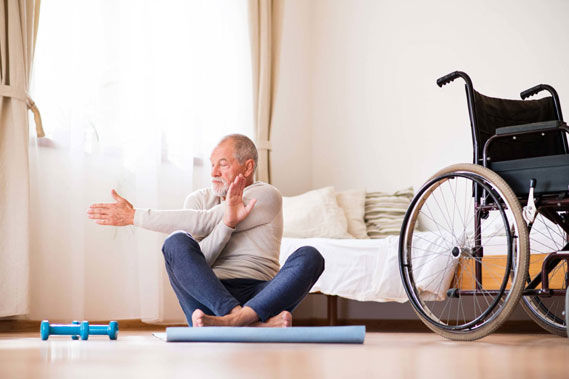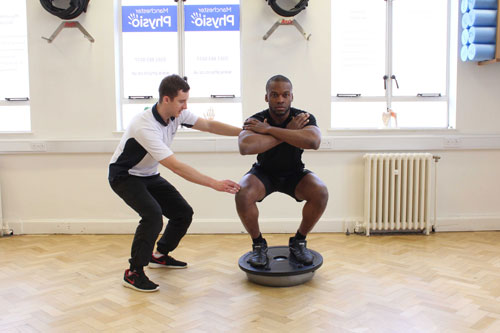
Personalized Balance Training in Edmonton to Improve Stability and Mobility
Improve your balance, stability, and confidence with professional balance training at Glenridding Physio. Whether you experience unsteadiness while walking, have difficulty maintaining your balance during daily activities, or are recovering from an injury or medical condition, our physiotherapy team can help you work toward safer, more confident movement.
Our Balance Training in Edmonton service focuses on exercises tailored to your mobility, physical abilities, and rehabilitation goals. With a personalized approach, we aim to improve coordination, strengthen supporting muscles, and help you move with greater confidence at home, at work, and in your community.
What Is Balance Training in Physiotherapy?
Balance training is a form of physiotherapy that helps improve your ability to maintain a stable position while standing, walking, turning, and performing everyday movements. It combines targeted exercises with movement strategies designed to improve coordination, body awareness, strength, and postural control.
Balance can be affected by aging, injuries, reduced muscle strength, neurological conditions, or prolonged periods of inactivity. When these challenges interfere with daily life, a physiotherapist can assess your movement and develop a suitable exercise program.
At Glenridding Physio, balance training in Edmonton is tailored to your current abilities and personal goals. Your program may begin with simple, supported movements and progress as your balance, strength, and confidence improve.
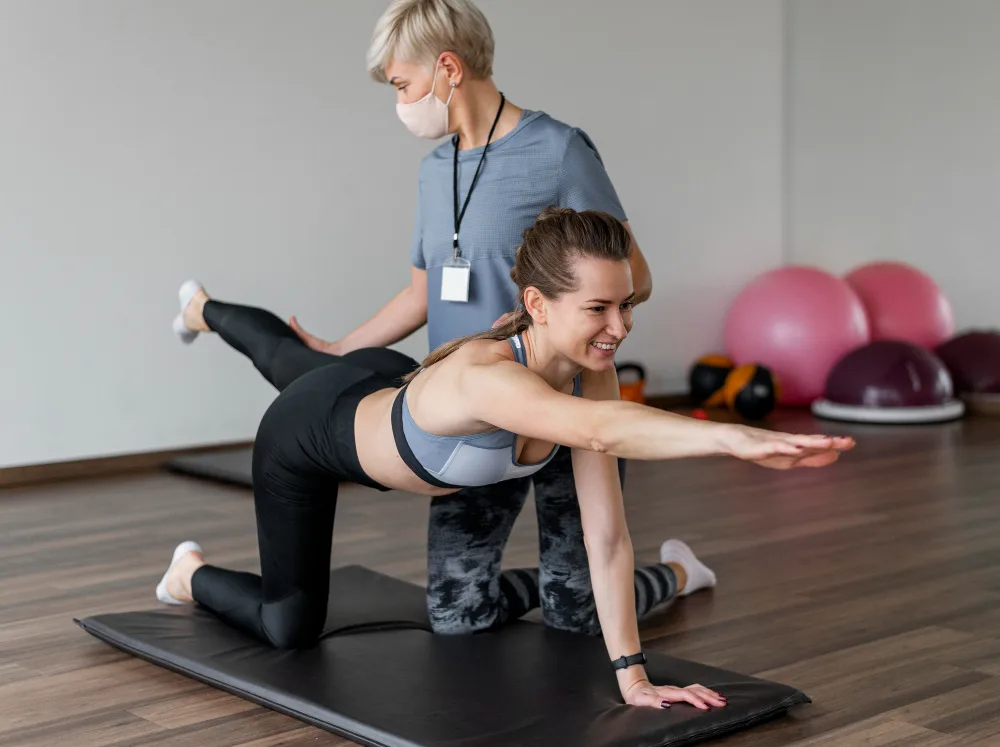
Who Can Benefit From Balance Training in Edmonton?
Balance difficulties can affect people of different ages and activity levels. Physiotherapy-based balance exercises may be beneficial if you want to improve your stability, recover mobility, or reduce your risk of falling.
Older Adults Experiencing Balance Changes
Changes in muscle strength, coordination, and mobility can affect balance as you age. Balance training can help older adults work on stability, safe walking, and confidence when performing daily activities.
People Recovering From Injuries or Surgery
An injury or surgical procedure may affect strength, joint movement, coordination, and the ability to move comfortably. A physiotherapist can introduce appropriate balance exercises as part of your rehabilitation plan.
Individuals Living With Neurological Conditions
Conditions such as stroke, Parkinson’s disease, and multiple sclerosis may affect coordination, walking, and postural control. An individualized physiotherapy program can address specific movement difficulties and support functional mobility.
People With Arthritis or Joint Instability
Joint pain, stiffness, or weakness may make standing and walking more challenging. Balance training can complement other physiotherapy treatments by addressing strength, movement control, and stability.
Athletes and Physically Active Individuals
Athletes may benefit from balance exercises that develop coordination, body awareness, and control during changes in direction, single-leg movements, and sport-specific activities.
Types of Balance Training Exercises
Effective balance training includes different types of exercises selected according to your needs, abilities, and rehabilitation goals. Your physiotherapist will determine which activities are appropriate and how to progress them safely.
Static Balance Exercises
Static balance exercises focus on maintaining a stable position without moving from one place to another. Examples include standing with your feet closer together or maintaining a supported single-leg stance.
These exercises help develop postural control and provide a foundation for more challenging movements.
Dynamic Balance Exercises
Dynamic balance training involves maintaining stability while moving. Activities may include controlled weight shifting, stepping in different directions, and walking while changing direction.
These exercises can help prepare you for everyday tasks such as navigating around furniture, stepping onto a curb, or moving through busy environments.
Proprioception and Coordination Exercises
Proprioception is your body’s ability to sense the position and movement of your joints. Exercises that challenge body awareness and controlled movement can help improve coordination.
Depending on your abilities, your physiotherapist may introduce supported weight-shifting activities, controlled foot placement, or exercises using appropriate balance equipment.
Strengthening Exercises for Better Stability
Strong leg, hip, and core muscles contribute to postural control and functional movement. Your balance training program may include sit-to-stand movements, supported squats, heel raises, and other strengthening exercises.
Improving strength alongside balance can help you perform everyday activities with greater control.
Gait and Walking Training
Walking requires coordination, strength, and the ability to adjust to changes in the surrounding environment. Gait training may focus on step length, foot placement, turning, walking speed, and navigating obstacles.
Your physiotherapist may adapt these exercises to your walking ability and any mobility aids you use.
How Does Balance Training Help Reduce the Risk of Falls?
Falls can affect independence, mobility, and confidence, particularly among older adults and people with certain medical conditions. Balance training can be an important part of a broader fall-prevention strategy.
A physiotherapist may assess your balance, lower-body strength, walking pattern, and ability to change positions safely. Based on the findings, your program may include exercises that address identified limitations.
Potential benefits include:
- Improved postural control and coordination.
- Better lower-body strength and movement awareness.
- Increased confidence during standing, walking, and turning.
- Improved ability to perform everyday movements.
- Support for maintaining mobility and physical independence.
Although balance training can help address certain fall-risk factors, it cannot eliminate all falls. A comprehensive approach may also include reviewing footwear, home hazards, medications, vision concerns, and other relevant factors with appropriate healthcare professionals.
What to Expect During Balance Training at Glenridding Physio
Every person experiences balance difficulties differently. At Glenridding Physio, your physiotherapy program should reflect your individual needs, movement abilities, and goals.
Initial Assessment
Your physiotherapist will discuss your symptoms, medical history, mobility concerns, and daily activities. Depending on your needs, the assessment may include balance testing, walking observation, strength evaluation, and functional movement tasks.
This assessment helps identify areas that may benefit from targeted rehabilitation.
Personalized Treatment Plan
Based on your assessment, your physiotherapist will develop a plan that addresses your balance and mobility goals. Exercises may focus on strength, coordination, postural control, walking, or functional movements.
Your program will be adapted to your abilities and any relevant medical considerations.
Supervised Exercise Sessions
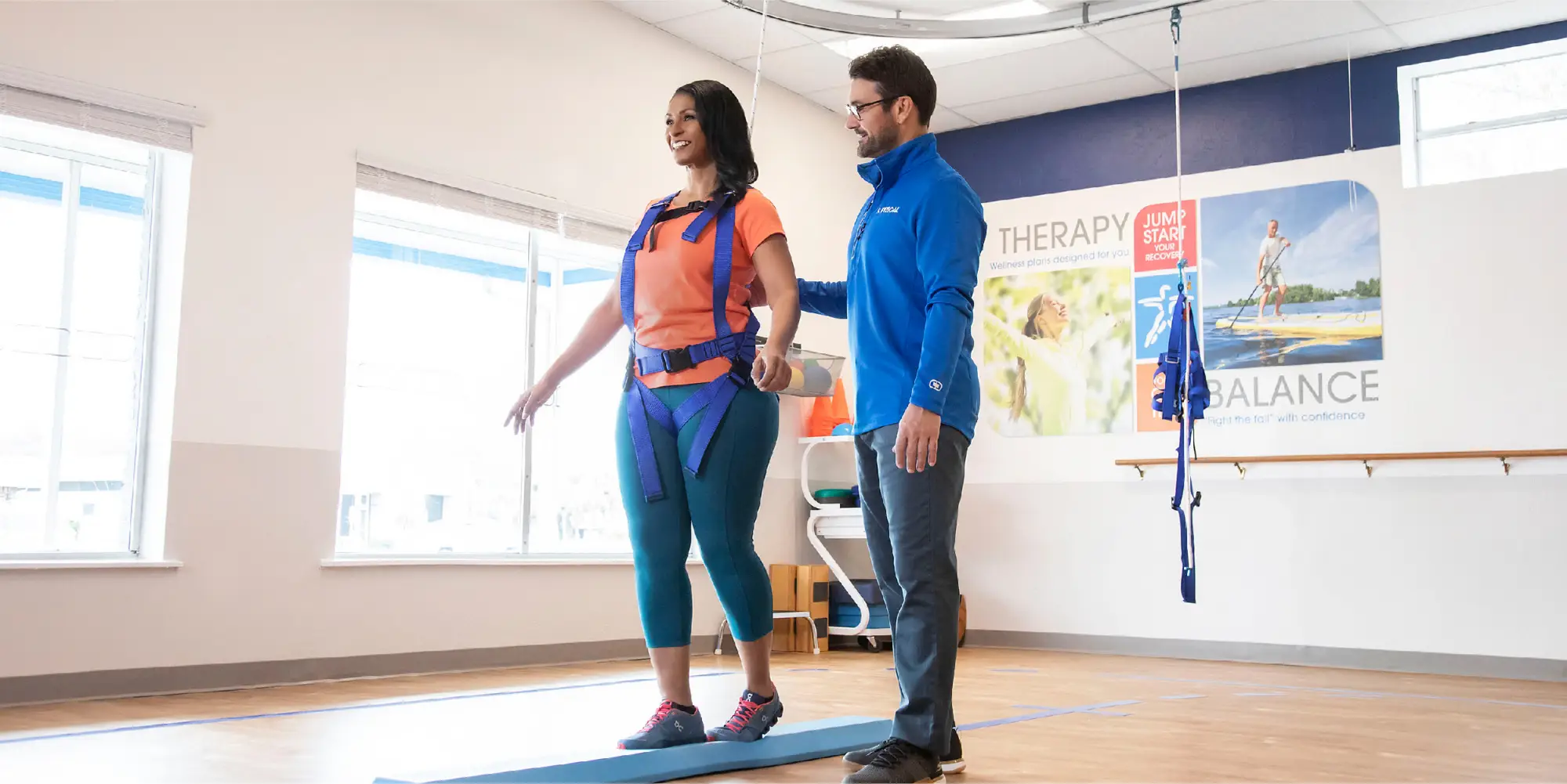
During your sessions, your physiotherapist can guide you through appropriate exercises, provide feedback on your technique, and introduce support or modifications when needed.
The level of difficulty should match your current abilities. Exercises may become more challenging as your movement control and tolerance improve.
Progress Monitoring
Your physiotherapist can review your progress and adjust your program according to your response to treatment. Progress may be reflected in improved exercise performance, walking ability, confidence, or ease with specific daily activities.
The time needed to achieve meaningful improvement varies depending on your health, starting ability, consistency, and rehabilitation goals.
How to Support Your Balance Training Between Sessions
Practising appropriate exercises between physiotherapy appointments may help reinforce the skills developed during treatment. Your physiotherapist can recommend activities that suit your abilities and explain how to perform them safely.
Consider these general strategies:
- Follow your prescribed exercises: Practise the movements recommended by your physiotherapist rather than introducing difficult exercises independently.
- Wear supportive footwear: Choose properly fitting shoes with suitable grip for your activities.
- Keep walking areas clear: Remove loose rugs, clutter, and other potential tripping hazards.
- Use support when needed: Follow your physiotherapist’s instructions regarding stable surfaces, hand support, or mobility aids.
- Stay consistent: Regular practice, within your recommended limits, can support your rehabilitation progress.
If you have significant balance difficulties or a history of falls, avoid practising challenging balance exercises alone or in situations where a loss of balance could cause injury.
Why Choose Professional Balance Training in Edmonton?
When balance difficulties affect your everyday life, a structured physiotherapy program can provide guidance that general exercise routines may not offer.
Working with a qualified physiotherapist allows your exercises to be selected according to your movement abilities, health considerations, and goals. Professional supervision can also help ensure that exercises are performed with appropriate technique and progressed at a suitable pace.
At Glenridding Physio, the focus of balance training is to help you work toward better stability, improved mobility, and greater confidence in daily movement through an individualized rehabilitation approach.
Frequently Asked Questions About Balance Training in Edmonton
What is balance training in physiotherapy?
Balance training is a physiotherapy approach that uses targeted exercises to improve stability, coordination, postural control, and functional movement. It may include standing exercises, walking practice, strengthening, and controlled weight shifting.
Who should consider balance training?
Balance training may benefit older adults, people recovering from injuries or surgery, individuals with certain neurological conditions, and those experiencing difficulty with walking or everyday movements. A physiotherapy assessment can help determine whether it is appropriate for you.
Can balance training help prevent falls?
Balance training can improve certain factors associated with falls, including balance, strength, and coordination. However, it cannot guarantee that falls will be prevented. Your physiotherapist may recommend additional fall-prevention strategies based on your individual risks.
How long does it take to improve balance?
The time required to improve balance varies from person to person. Factors such as the cause of your balance difficulties, your current mobility, health conditions, and consistency with your program can influence progress. Your physiotherapist can help establish realistic goals and review your improvement over time.
Is balance training suitable for older adults?
Yes, balance training can be appropriate for older adults when exercises are selected according to their abilities and health needs. A physiotherapist can provide suitable modifications, support, and supervision to help them practise safely.
Can balance training help after a stroke?
Balance training may form part of stroke rehabilitation for individuals who experience difficulties with standing, walking, or postural control. Exercises should be tailored to the person’s neurological symptoms, functional abilities, and rehabilitation plan.
Do I need special equipment for balance training?
Not necessarily. Many balance exercises use body weight, a stable chair, or a suitable support surface. Depending on your needs, your physiotherapist may also use resistance bands, balance pads, or other rehabilitation equipment.
Can I practise balance exercises at home?
Yes, if your physiotherapist confirms that the exercises are suitable for you. Follow the recommended technique and safety precautions, and avoid unsupported or challenging exercises if you are at risk of falling.
When should I seek professional help for balance problems?
Consider a physiotherapy assessment if you regularly feel unsteady, have difficulty walking or turning, notice a decline in mobility, or have experienced a fall. Sudden balance problems accompanied by symptoms such as facial drooping, weakness, difficulty speaking, or a severe unexplained headache require emergency medical assessment.
Book Balance Training in Edmonton at Glenridding Physio
You do not have to navigate balance difficulties without professional guidance. With an individualized physiotherapy program, you can work toward improving stability, strengthening supporting muscles, and moving with greater confidence during everyday activities.
At Glenridding Physio, our goal is to help you take practical steps toward your mobility and rehabilitation goals through an approach tailored to your needs.
Ready to work on your balance and mobility?
Contact Glenridding Physio to learn more about balance training in Edmonton and arrange an assessment. Our team can help you understand your options and determine the next steps toward a personalized physiotherapy plan.
Take the first step toward steadier movement and greater confidence today.