TMJ Therapy in Edmonton
Jaw pain, clicking, stiffness, headaches, and difficulty chewing can make everyday activities surprisingly uncomfortable. Temporomandibular joint (TMJ) problems may affect the jaw itself as well as surrounding muscles of the face, neck, and upper body.
At Glenridding Physio, TMJ Therapy in Edmonton focuses on understanding the factors contributing to your jaw symptoms and developing an individualized treatment plan. Physiotherapy may help improve jaw mobility, reduce muscle tension, address movement limitations, and support more comfortable daily function.
What Is This Service?
TMJ therapy in Edmonton is a physiotherapy approach for people experiencing problems involving the temporomandibular joints, jaw muscles, and related structures.
The temporomandibular joints connect the lower jaw to the skull and allow movements needed for speaking, chewing, yawning, and other everyday activities. Problems affecting these joints or surrounding muscles are often referred to as temporomandibular disorders (TMD).
TMJ physiotherapy may involve:
- Jaw mobility exercises
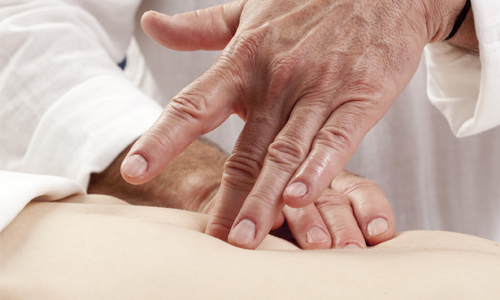
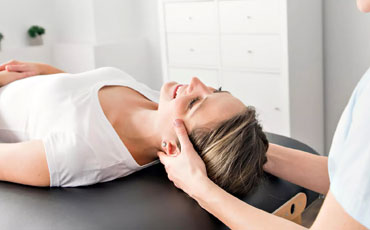
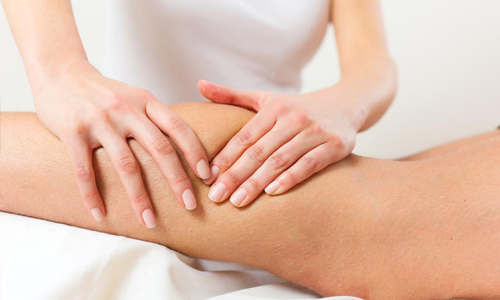
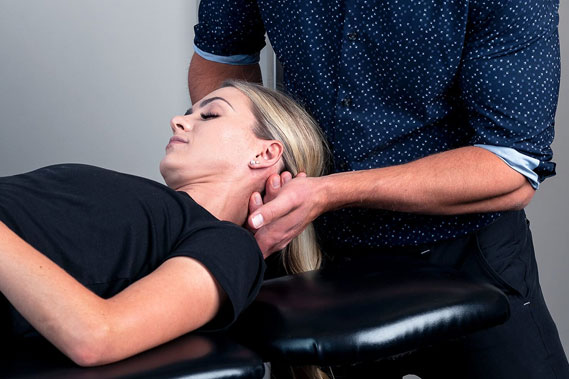
- Gentle manual therapy
- Muscle relaxation techniques
- Jaw and facial muscle exercises
- Postural assessment
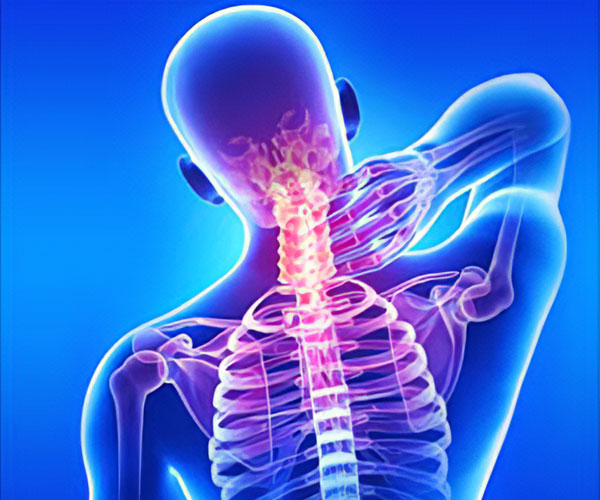
- Neck mobility exercises
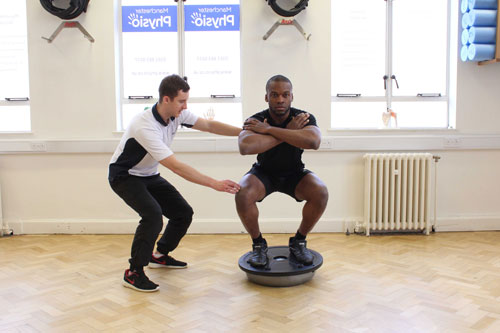
- Movement retraining
- Education about jaw habits
- Home exercise programs
Treatment is individualized according to your symptoms, assessment findings, and functional goals.
Who Can Benefit?
TMJ physiotherapy may be helpful for people experiencing jaw discomfort or movement difficulties.
You may benefit from an assessment if you experience:
- Jaw pain
- Jaw stiffness
- Clicking or popping
- Difficulty opening your mouth
- Pain while chewing
- Jaw fatigue
- Facial muscle tension
- Headaches associated with jaw symptoms
- Neck tension alongside jaw discomfort
- Difficulty yawning
- Jaw symptoms associated with clenching or grinding
People who spend long hours working at a computer or experiencing high levels of physical or mental tension may also notice increased jaw and neck muscle tightness.

If symptoms are severe, sudden, or associated with significant swelling, trauma, infection, or other concerning symptoms, medical or dental evaluation may be appropriate.
Problems Addressed
Jaw Pain
Pain around the jaw can interfere with eating, speaking, yawning, and other everyday activities. Physiotherapy can focus on improving movement and addressing contributing muscle tension.
Jaw Stiffness
Reduced jaw mobility may make it difficult to open the mouth comfortably. Specific mobility exercises can help restore controlled movement when appropriate.
Clicking and Popping
Jaw clicking or popping can occur for different reasons. A physiotherapy assessment can evaluate jaw movement and determine whether rehabilitation may be helpful.
Muscle Tension
Tightness in the jaw, face, neck, and upper shoulders may contribute to discomfort. Treatment can address muscle tension and movement patterns.
Headaches and Neck Symptoms
Some people experience headaches or neck discomfort alongside jaw problems. Physiotherapy may assess related areas to identify contributing movement or muscular factors.
Difficulty Chewing
Jaw pain or reduced mobility can make chewing uncomfortable. Rehabilitation may focus on improving jaw control and functional movement.
Features & Deliverables
At Glenridding Physio, each TMJ Therapy in Edmonton program is tailored to your symptoms and functional needs.
Your treatment may include:
- Detailed symptom assessment
- Jaw movement assessment
- Evaluation of jaw and facial muscle tension
- Neck and posture assessment
- Gentle manual therapy
- Jaw mobility exercises
- Muscle strengthening when appropriate
- Relaxation and movement exercises
- Education about jaw habits
- Personalized home exercises
- Progress monitoring
Treatment techniques are selected according to your individual presentation rather than using a standard routine.
Process Overview
1. Initial Consultation
Your physiotherapist will discuss your jaw symptoms, when they began, activities that aggravate them, and any relevant medical or dental history.
2. Physical Assessment
The assessment may examine jaw opening and closing, jaw movement patterns, muscle tension, neck mobility, posture, and related functional movements.
3. Identify Contributing Factors
Your physiotherapist will consider factors that may be contributing to your symptoms, such as muscle tension, movement habits, posture, or restricted mobility.
4. Personalized Treatment
Treatment may include manual techniques, mobility exercises, therapeutic exercise, and education based on your assessment.
5. Home Exercise Program
You may receive exercises designed to support jaw mobility, muscle control, relaxation, and comfortable movement between appointments.
6. Progress Review
Your symptoms and jaw function are monitored throughout rehabilitation. Treatment can be modified as your mobility and comfort improve.
Benefits
A personalized TMJ rehabilitation program may help:
- Improve jaw mobility
- Support comfortable chewing
- Reduce feelings of muscle tension
- Improve jaw movement control
- Address neck and postural factors
- Increase confidence with jaw movement
- Improve awareness of contributing habits
- Support everyday activities such as speaking and yawning
Results vary depending on the cause and severity of your symptoms, overall health, daily habits, and response to treatment.
Physiotherapy does not replace dental or medical care when symptoms require evaluation by another healthcare professional.
Industries Served
Jaw and neck tension can affect people across different occupations and lifestyles. TMJ Therapy in Edmonton may be particularly relevant for people who experience prolonged sitting, high work demands, repetitive activities, or stress-related muscle tension.
Physiotherapy may benefit:
- Office professionals
- Healthcare workers
- Teachers
- Students
- Drivers
- Tradespeople
- Healthcare professionals
- Fitness professionals
- Active adults
- People who spend long hours at a computer
Treatment can be adapted to your daily routine and occupational requirements.
Frequently Asked Questions
What is TMJ therapy?
TMJ therapy is a physiotherapy approach focused on problems involving the temporomandibular joints, jaw muscles, and related structures. Treatment may include exercises, manual therapy, mobility work, and education.
What causes TMJ problems?
TMJ symptoms can have different contributing factors, including jaw muscle tension, clenching, grinding, trauma, movement habits, joint-related changes, and other factors. An assessment can help identify relevant contributors.
Can physiotherapy help with jaw clicking?
Jaw clicking can have several causes. Physiotherapy may help address associated movement or muscle problems when appropriate, but clicking does not always require treatment.
Can TMJ therapy help with headaches?
Some headaches may be associated with jaw or neck muscle tension. Physiotherapy can assess these areas and determine whether treatment may be appropriate.
Can TMJ therapy help with neck pain?
Jaw and neck function can be closely related. When appropriate, treatment may address both jaw and neck mobility, muscle tension, and movement patterns.
How long does TMJ therapy take?
Treatment duration varies according to the underlying problem, symptom severity, individual goals, and response to rehabilitation. Your physiotherapist can provide more specific guidance after assessment.
Should I see a dentist for TMJ problems?
Depending on your symptoms, dental evaluation may be appropriate. Physiotherapy and dental care can sometimes complement one another when managing temporomandibular disorders.
Can I do exercises at home?
Your physiotherapist may provide a personalized home exercise program based on your assessment. Exercises should be performed according to professional instructions.
Service Areas
Glenridding Physio provides TMJ Therapy in Edmonton for individuals in Edmonton and surrounding communities.
Areas may include:
. Glenridding Heights
- Windermere
- Riverpointe
- Ambleside
- Keswick
- Jagare Ridge
- Heritage Valley
- Terwillegar
- Summerside
- Southwest Edmonton
Our clinic supports people experiencing jaw pain, stiffness, movement limitations, muscle tension, and related neck or facial discomfort.
Why Choose Glenridding Physio?
At Glenridding Physio, we take an individualized approach to jaw rehabilitation. We look beyond the location of your symptoms and consider how the jaw, neck, muscles, posture, and everyday habits may interact.
Our approach includes:
- Personalized assessment
- Individual treatment planning
- Jaw and neck movement assessment
- Therapeutic exercise
- Gentle manual techniques
- Patient education
- Home exercise recommendations
- Progress monitoring
We aim to help you understand your symptoms and develop practical strategies for improving comfortable jaw movement.
Related Services
Depending on your needs, TMJ rehabilitation may complement other services at Glenridding Physio, including:
- Physiotherapy
- Manual therapy
- Therapeutic exercise
- Neck physiotherapy
- Postural rehabilitation
- Headache-related physiotherapy
- Mobility training
- Massage therapy
Your physiotherapist can recommend appropriate related services based on your assessment.
Contact
If jaw pain, stiffness, clicking, or difficulty chewing is affecting your daily activities, a physiotherapy assessment can help determine the next step.
At Glenridding Physio, we tailor TMJ therapy in Edmonton to your symptoms, movement needs, and rehabilitation goals.
Address: 2049 163 St SW, Edmonton, AB T6W 4V5, Canada
Phone: +17802504950
Contact Glenridding Physio to learn more about TMJ therapy and book an appointment with our physiotherapy team.