Personalized Vertigo Rehab in Edmonton for Better Balance and Lasting Relief
Are dizziness and spinning sensations making everyday activities difficult? Vertigo can affect your balance, walking ability, and confidence when performing simple tasks such as getting out of bed, turning your head, or moving through busy environments. With the right assessment and treatment approach, you may be able to manage your symptoms and improve your daily mobility.
At Glenridding Physio, our Vertigo Rehab in Edmonton service focuses on helping individuals experiencing vertigo, dizziness, and balance difficulties. Our physiotherapy approach considers your symptoms, medical history, movement patterns, and personal goals to determine which rehabilitation strategies may be appropriate for you.
Whether you experience sudden episodes of spinning, dizziness when changing positions, or persistent unsteadiness following an illness or concussion, our team can help you explore suitable treatment options and work toward greater confidence in movement.
What Is Vertigo Rehabilitation?
Vertigo rehabilitation is a specialized approach to managing certain conditions that affect the vestibular system, which helps your body maintain balance and coordinate eye and head movements.
Vertigo is the sensation that you or your surroundings are moving when no actual movement is occurring. It may feel like spinning, tilting, or swaying and can occur alongside nausea, difficulty walking, or problems focusing your eyes.
The causes of vertigo vary. Some cases are related to the inner ear, while others may involve migraine, head injuries, or other medical conditions. Identifying the likely cause is an important first step in choosing appropriate treatment.
Vertigo rehab in Edmonton may involve vestibular rehabilitation exercises, balance training, gaze stabilization, or specific repositioning manoeuvres for certain inner-ear conditions. Your physiotherapist can recommend a suitable approach based on your assessment findings and functional needs.
Common Symptoms That May Require Vertigo Rehabilitation
Vertigo symptoms can vary in intensity, duration, and frequency. Some people experience brief episodes triggered by head movements, while others experience ongoing dizziness or difficulty maintaining balance.
You may benefit from an assessment if you experience:
- A spinning sensation when lying down, sitting up, or turning your head.
- Dizziness when bending over or looking upward.
- Unsteadiness while standing or walking.
- Nausea associated with head movement.
- Difficulty focusing your vision while moving.
- Sensitivity to busy visual environments, such as shopping centres.
- Reduced confidence when navigating stairs or uneven surfaces.
- Balance difficulties following a concussion or vestibular illness.

These symptoms can have different causes and may require different treatments. A physiotherapy assessment can help determine whether vestibular rehabilitation is appropriate or whether further medical evaluation is needed.
What Conditions Can Vertigo Rehab Help Manage?
Vertigo rehabilitation may benefit individuals with selected vestibular conditions and balance difficulties. The treatment approach depends on the underlying diagnosis and the person’s symptoms.
Benign Paroxysmal Positional Vertigo (BPPV)
BPPV is a common inner-ear condition that occurs when tiny calcium carbonate crystals become displaced and enter one of the semicircular canals. This can trigger short episodes of spinning when you roll over in bed, bend down, look upward, or change head positions.
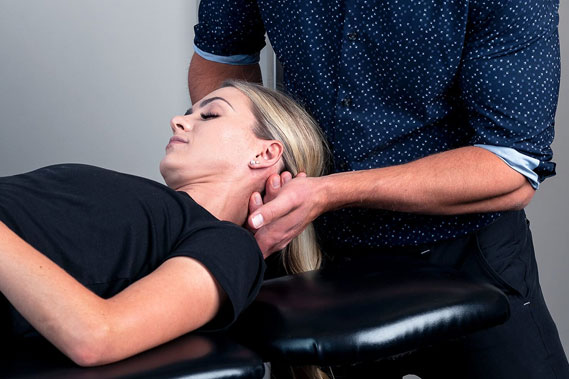
A trained healthcare professional may use a canalith repositioning maneuver to help return the displaced crystals to the appropriate location. The technique depends on which inner-ear canal is affected.
Vestibular Neuritis
Vestibular neuritis affects the vestibular nerve and can cause sudden vertigo, nausea, and difficulty maintaining balance. Some individuals continue to experience movement sensitivity or unsteadiness after the initial episode improves.
When appropriate, vestibular rehabilitation may help improve gaze stability, balance, and tolerance for everyday movements.
Labyrinthitis
Labyrinthitis involves inflammation of the inner-ear structures and may cause vertigo, dizziness, and hearing-related symptoms.
Because hearing changes may require medical investigation, an appropriate diagnosis is important. Rehabilitation may help with ongoing balance difficulties in selected cases after the underlying condition has been evaluated.
Vestibular Migraine
Vestibular migraine can cause dizziness, vertigo, nausea, and sensitivity to movement or visual stimulation. Episodes may occur with or without a typical headache.
Treatment may involve medical management and, when appropriate, vestibular rehabilitation to address balance problems and movement sensitivity. Physiotherapy does not replace migraine-specific medical care.
Dizziness Following a Concussion
A concussion may affect balance, eye movements, coordination, and tolerance for head movement. Some people also experience dizziness in visually busy environments or while performing activities that require concentration.
Depending on the assessment, rehabilitation may include gaze stabilization, balance exercises, and gradual progression toward normal activities.
Meniere’s Disease
Meniere’s disease is an inner-ear disorder associated with episodes of vertigo, fluctuating hearing loss, tinnitus, and a feeling of fullness in the ear.
Medical assessment is important for diagnosis and management. Vestibular rehabilitation may be considered for persistent balance difficulties between episodes, depending on the individual’s condition.
Cervicogenic Dizziness
Some people experience dizziness alongside neck pain, stiffness, or restricted neck movement. In selected cases, a cervical musculoskeletal problem may contribute to the symptoms.
Since dizziness can have many possible causes, a healthcare professional should assess other explanations before attributing it to the neck. When clinically appropriate, treatment may include targeted neck exercises and movement rehabilitation.
Types of Vertigo Rehabilitation Treatment
At Glenridding Physio, the appropriate rehabilitation approach depends on your symptoms, assessment findings, and treatment goals. Different techniques may be used to address specific balance and movement difficulties.
Vestibular Rehabilitation Exercises
Vestibular rehabilitation uses specific exercises to address problems with balance, gaze stability, and motion sensitivity.
Your program may include controlled head movements, visual exercises, and functional activities designed to help your nervous system adapt to movement. The exercises should be selected according to your condition and progressed at an appropriate pace.
Gaze Stabilization Exercises
Gaze stabilization exercises train coordination between the eyes and head during movement. They may help individuals who experience blurred vision or difficulty maintaining a clear visual target while turning their heads.
Your physiotherapist can guide you on the appropriate exercise technique, duration, and progression.
Balance and Coordination Training
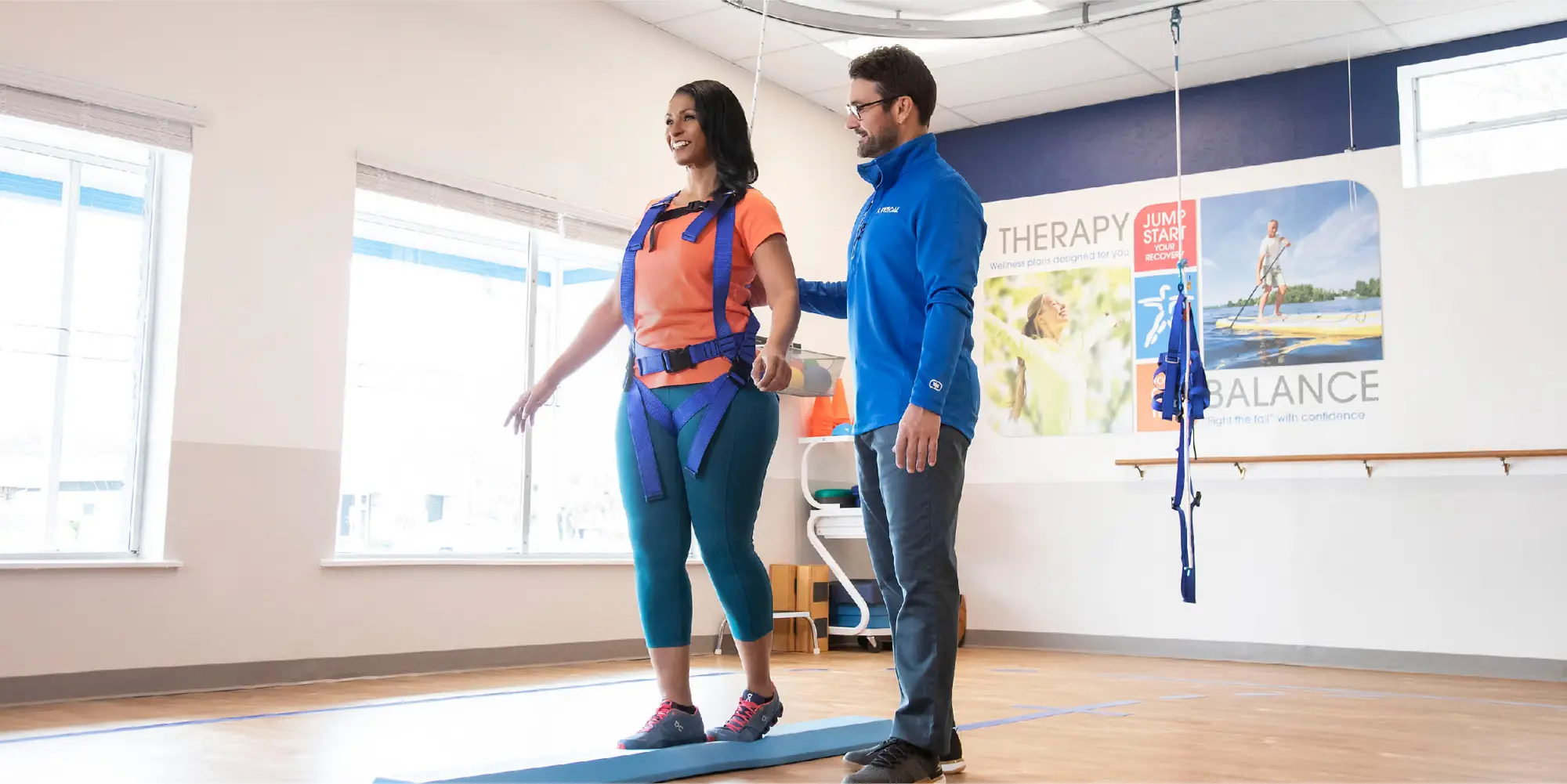
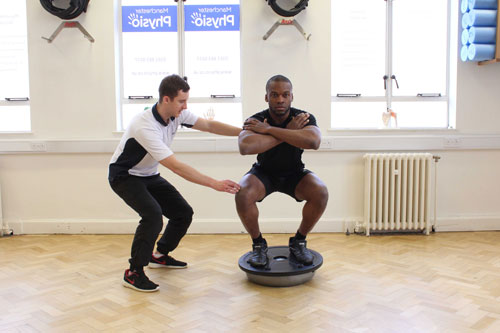
Vertigo and dizziness can make walking, standing, and turning more challenging. Balance training may include supported standing, controlled weight shifting, stepping activities, and walking exercises.
These activities can help address balance limitations and improve confidence with everyday movements.
Canalith Repositioning Manoeuvres
For confirmed BPPV, specific head and body movements may help reposition displaced inner-ear crystals. These manoeuvres differ from general vestibular exercises and must be selected according to the affected canal and clinical findings.
A trained professional can determine whether repositioning treatment is suitable for your condition.
Habituation and Movement Exercises
Some people experience dizziness during particular movements or when exposed to visually stimulating environments.
When indicated, habituation exercises involve carefully selected and repeated movements intended to reduce sensitivity over time. The exercises should be tailored to your symptoms and adjusted if they cause excessive or prolonged discomfort.
What to Expect During Vertigo Rehab in Edmonton
Starting physiotherapy for vertigo can feel challenging, especially when movement triggers your symptoms. Understanding the treatment process can help you feel more prepared for your first appointment.
Comprehensive Assessment
Your physiotherapist will discuss your symptoms, medical history, and the activities that trigger or worsen your dizziness. The assessment may include:
- Eye movement and gaze stability checks.
- Balance and walking assessments.
- Positional testing when appropriate.
- Head and neck movement assessment.
- Review of your functional mobility and movement tolerance.
If your symptoms suggest a condition requiring further medical investigation, you may be advised to consult an appropriate healthcare professional.
Personalized Rehabilitation Plan
Following the assessment, your physiotherapist can explain the findings and discuss treatment options.
Your plan may focus on reducing movement-related dizziness, improving balance, addressing BPPV when confirmed, or restoring confidence with daily activities. The approach should reflect your diagnosis, abilities, and personal goals.Guided Treatment Sessions
Your physiotherapist will guide you through the exercises or techniques selected for your condition. You will receive instructions on proper movement, exercise intensity, and safety precautions.
Some vestibular exercises may temporarily provoke mild symptoms. Your therapist can help determine an appropriate level of challenge and adjust the program according to your response.
Home Exercises and Progress Monitoring
Depending on your treatment plan, you may receive exercises to practise between appointments.
Your physiotherapist can monitor changes in balance, movement tolerance, and functional ability and modify the exercises as needed. Recovery time varies according to the underlying cause, symptom duration, and individual response to treatment.
Why Choose Glenridding Physio for Vertigo Rehab in Edmonton?
When vertigo interferes with your everyday life, an individualized rehabilitation approach can help you understand your options and work toward improved mobility.
At Glenridding Physio, the focus is on selecting appropriate treatment strategies based on your symptoms, assessment findings, and functional goals.
Our approach emphasizes:
- Personalized treatment: Rehabilitation strategies selected according to your individual needs.
- Functional movement: Exercises that address balance, coordination, and everyday mobility.
- Guided progression: Adjustments based on your tolerance and response to treatment.
- Patient education: Clear information about your symptoms, exercises, and rehabilitation goals.
- Individual goals: A treatment plan that considers the activities you want to return to with greater confidence.
Our goal is to help you explore appropriate care options and work toward improved balance and movement through professional physiotherapy guidance.
Frequently Asked Questions About Vertigo Rehab in Edmonton
What is the difference between vertigo and dizziness?
Dizziness is a general term that can describe lightheadedness, unsteadiness, or feeling off balance. Vertigo specifically refers to a false sensation of movement, often described as spinning or the surroundings moving.
Both symptoms can have several causes, so a proper assessment is important.
Can physiotherapy help with vertigo?
Yes, physiotherapy may help manage certain causes of vertigo, including BPPV and selected vestibular conditions. Treatment may include repositioning manoeuvres, gaze stabilization exercises, balance training, or habituation exercises.
The most appropriate approach depends on the underlying cause of your symptoms.
How long does vertigo rehabilitation take?
Treatment duration varies according to the condition, symptom severity, and response to treatment. Some people with BPPV improve after one or a few repositioning treatments, while other vestibular conditions may require several weeks or longer of rehabilitation.
Your physiotherapist can discuss expectations after assessing your condition.
Do I need a doctor’s referral for vertigo rehab in Edmonton?
Referral requirements may depend on your circumstances and insurance policy. Contact Glenridding Physio to confirm its current booking requirements. If your symptoms require medical investigation, your physiotherapist may recommend consulting a physician or another healthcare professional.
Can vertigo rehabilitation help with long-term symptoms?
Vestibular rehabilitation may help some people with persistent dizziness, movement sensitivity, or ongoing balance problems. However, outcomes depend on the underlying condition, and some causes require medical management alongside physiotherapy.
An assessment can help determine whether rehabilitation is suitable for you.
Is vertigo physiotherapy covered by insurance?
Coverage depends on your extended health benefits, policy terms, and the services provided. Contact Glenridding Physio and your insurance provider to confirm your coverage and whether direct billing is available under your plan.
Will vertigo exercises make me feel dizzy?
Some vestibular exercises may temporarily increase mild dizziness because they challenge the systems involved in balance and visual stability. Exercises should be selected and progressed appropriately.
Inform your physiotherapist if symptoms become severe, persist longer than expected, or significantly interfere with daily activities.
When should I seek medical attention for vertigo?
Sudden dizziness or vertigo accompanied by facial drooping, difficulty speaking, one-sided weakness or numbness, double vision, inability to walk, or a sudden severe headache may indicate a medical emergency. Seek emergency medical care immediately.
Sudden hearing loss, fainting, chest pain, or other new and severe symptoms also require prompt medical evaluation.
What should I bring to my first vertigo rehabilitation appointment?
Bring relevant medical information, a list of medications, details of previous investigations if available, and your insurance information if needed. You may also find it helpful to note when your symptoms occur, how long they last, and which movements trigger them.
This information can help your physiotherapist understand your concerns and plan an appropriate assessment.
Book Your Vertigo Rehab Appointment in Edmonton
Vertigo can make everyday activities feel uncertain, but appropriate assessment and rehabilitation may help you manage symptoms and improve your confidence with movement.
At Glenridding Physio, our Vertigo Rehab in Edmonton service focuses on understanding your symptoms, addressing relevant balance and movement difficulties, and developing an individualized rehabilitation plan.
Ready to take the next step?
Contact Glenridding Physio to learn more about vertigo rehabilitation and arrange an assessment. Our team can help you understand your treatment options and determine the next steps based on your needs.
Take the first step toward better balance and more confident movement today.