Musculoskeletal in Edmonton
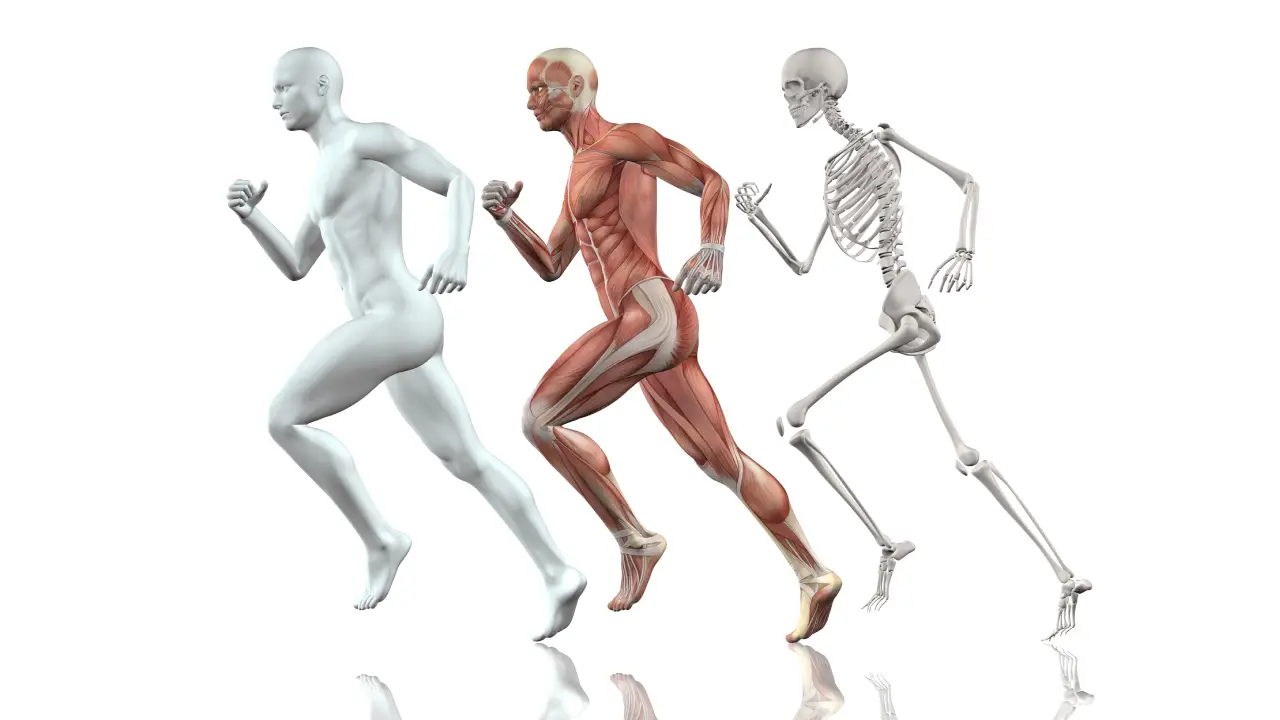
Musculoskeletal care focuses on conditions affecting the muscles, bones, joints, tendons, ligaments, and other structures involved in movement. At Glenridding Physiotherapy, musculoskeletal in Edmonton services are intended for people dealing with stiffness, reduced mobility, muscle strains, joint problems, sports injuries, or movement limitations.
Our physiotherapy team begins with an assessment of your symptoms, movement, strength, flexibility, and functional needs. Depending on your condition, care may include therapeutic exercise, manual therapy, movement training, education, and activity modification. The aim is to support physical function and help you return to everyday, work, or recreational activities.
What Is Musculoskeletal Physiotherapy?
Musculoskeletal physiotherapy addresses problems involving the body’s movement and support systems. These include muscles, joints, bones, tendons, ligaments, and related soft tissues.
People searching for musculoskeletal issues in Edmonton may be dealing with a recent injury, recurring symptoms, stiffness, weakness, reduced range of motion, or difficulty performing everyday activities.
Musculoskeletal physiotherapy can be used for many types of physical concerns, including:
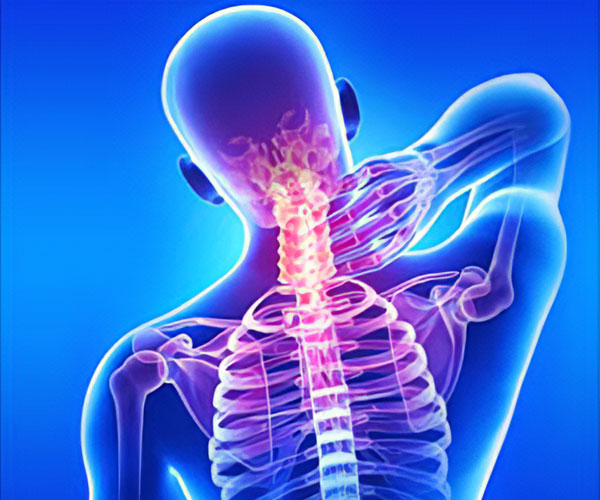
- Back and neck conditions
- Shoulder problems
- Knee conditions
- Hip and pelvic concerns
- Ankle and foot problems
- Wrist and hand conditions
- Muscle strains
- Tendon problems
- Ligament injuries
- Joint stiffness
- Sports injuries
- Repetitive strain
- Work-related musculoskeletal conditions
- Post-injury rehabilitation
The type of physiotherapy used depends on your symptoms, assessment findings, physical requirements, and rehabilitation goals.
Who Can Benefit From Musculoskeletal Physiotherapy?
Musculoskeletal in Edmonton services may be suitable for people experiencing physical limitations related to injury, repetitive activity, sports, work, or everyday movement.
Active Adults and Athletes
Running, weight training, recreational sports, cycling, and other activities can place repeated demands on muscles and joints. Physiotherapy can address movement limitations and support a gradual return to activity.
Office and Desk Workers
Long periods of sitting, repetitive computer work, and limited movement can contribute to neck, shoulder, back, and wrist problems.
Physically Active Workers
Jobs involving lifting, carrying, bending, reaching, or repetitive movements can place additional demands on the musculoskeletal system.
People Recovering From Injury
A physiotherapy assessment may be appropriate following strains, sprains, joint injuries, or other injuries that affect movement and daily activities.
Older Adults
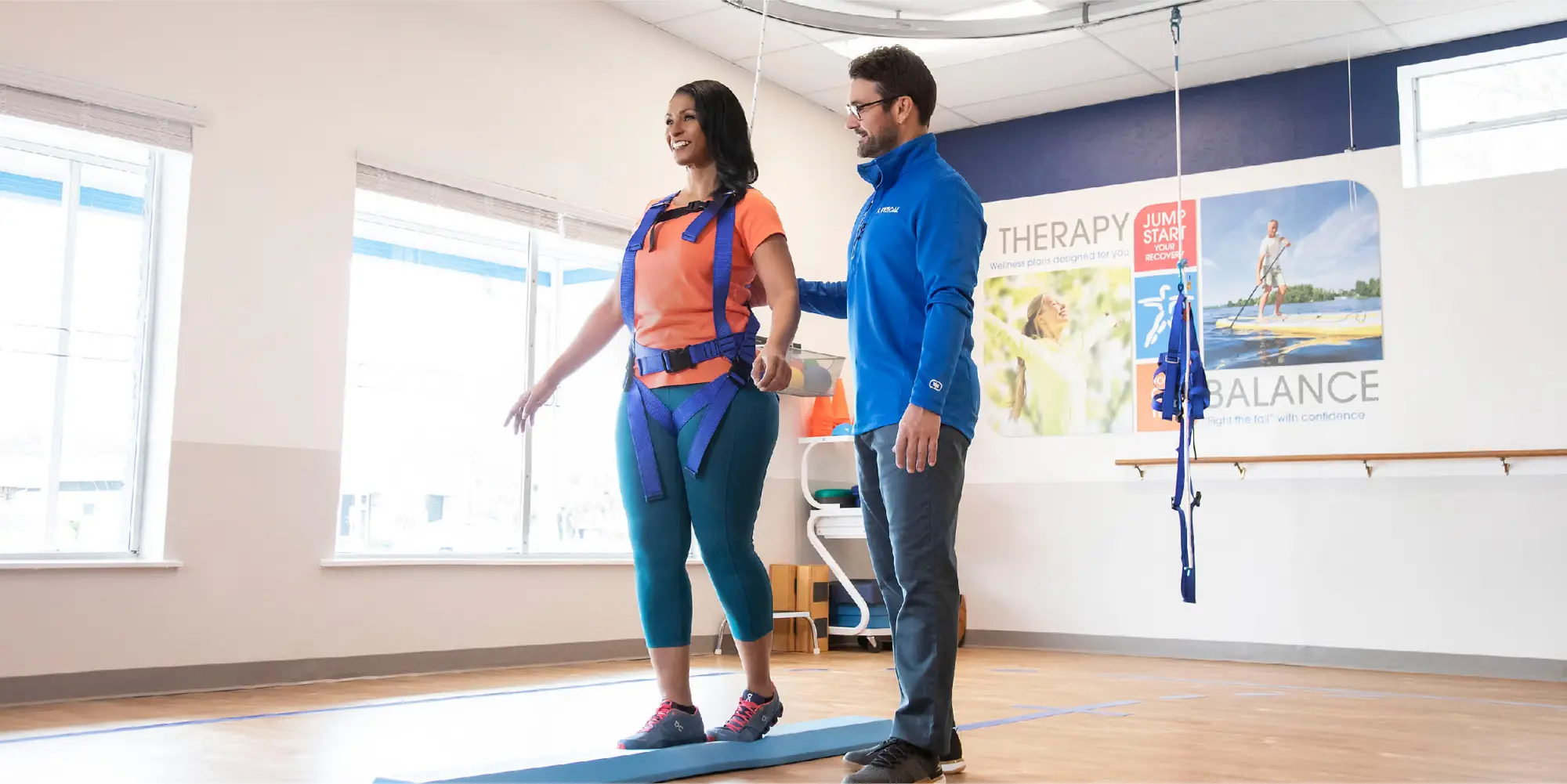
Changes in strength, flexibility, joint mobility, and balance can affect physical function. Physiotherapy can address these areas through exercise and movement-based rehabilitation.
Problems Musculoskeletal Physiotherapy Can Address
There are many reasons someone may seek musculoskeletal in Edmonton services. Common concerns include:
- Persistent muscle or joint symptoms
- Reduced range of motion
- Stiffness after sitting or resting
- Difficulty walking
- Difficulty using stairs
- Muscle weakness
- Reduced physical capacity
- Difficulty returning to exercise
- Sports-related injuries
- Repetitive strain
- Work-related physical problems
- Movement limitations after an injury
- Difficulty completing everyday tasks
Musculoskeletal conditions can affect a single area or involve several parts of the body. An assessment can help identify movement restrictions, strength deficits, and other physical factors that may be contributing to your symptoms.
Key Features and What Is Included
Physical Assessment
The physiotherapist reviews your symptoms, relevant history, physical activities, work demands, movement patterns, strength, flexibility, mobility, and functional limitations.
Why it matters:
The assessment provides information that can help determine which areas require attention.
Therapeutic Exercise
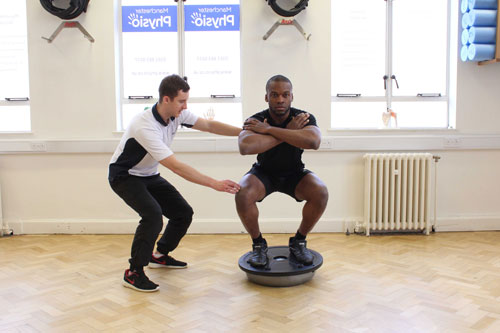
Exercises may address strength, flexibility, mobility, balance, coordination, and functional movement.
Why it matters:
Progressive exercise can help build physical capacity and support daily activities or a return to exercise.
Manual Therapy
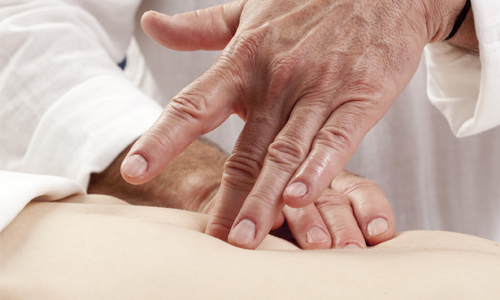
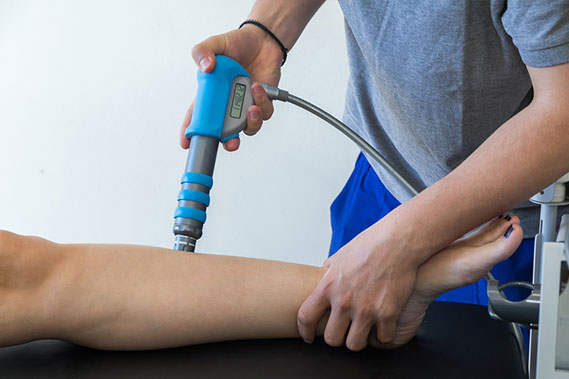
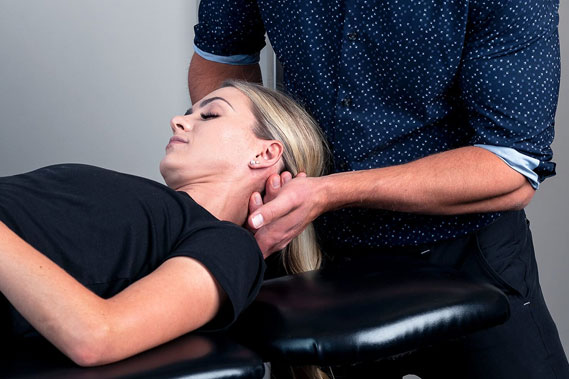
Depending on the assessment, hands-on techniques may be used for muscles, joints, or soft tissues.
Why it matters:
Manual therapy can be combined with active rehabilitation when mobility or movement restrictions are present.
Movement Training
Movement strategies and exercises may be used to improve control during specific activities.
Why it matters:
Improved movement control can help with work, recreation, exercise, and daily tasks.
Home Exercise Program
Your physiotherapist may recommend exercises to complete between appointments.
Why it matters:
Regular practice allows rehabilitation activities to continue outside the clinic.
Activity Education
Your physiotherapist may discuss exercise progression, activity modification, posture, workplace habits, and ways to return gradually to specific activities.
Why it matters:
Practical information can help you make informed decisions about physical activity during rehabilitation.
How Musculoskeletal Physiotherapy Works?
1. Consultation
Your physiotherapist discusses your symptoms, relevant history, daily routine, work requirements, physical activities, and goals.
2. Assessment
Movement, strength, flexibility, mobility, balance, and functional ability are assessed according to your condition.
3. Planning
The assessment findings are used to establish a physiotherapy plan suited to your physical needs.
4. Treatment
Treatment may involve therapeutic exercise, manual therapy, movement training, education, and activity modification.
5. Progress Review
Your physical function, movement, strength, and ability to perform relevant activities are reviewed as your rehabilitation progresses.
6. Activity Progression
Exercises and activities can be adjusted according to your progress and changing physical requirements.
Benefits of Musculoskeletal Physiotherapy
Choosing musculoskeletal in Edmonton services may support practical improvements in physical function, including:
- Improved joint mobility
- Increased muscle strength
- Greater flexibility
- Improved movement control
- Increased physical capacity
- Improved balance and coordination
- Greater ability to perform daily activities
- Support for returning to exercise
- Support for work-related physical activities
- Increased confidence with movement
Results vary from person to person and depend on factors such as the condition, severity, physical health, activity levels, and participation in rehabilitation.
Musculoskeletal Conditions and Client Groups
Glenridding Physiotherapy can assess a range of musculoskeletal conditions involving different parts of the body.
These may include:
- Back and neck conditions
- Shoulder conditions
- Knee conditions
- Hip conditions
- Ankle and foot conditions
- Wrist and hand conditions
- Muscle strains
- Tendon injuries
- Ligament injuries
- Joint stiffness
- Sports injuries
- Repetitive strain
- Work-related injuries
- Post-injury movement limitations
If you’re searching for musculoskeletal in Edmonton, an assessment can help determine whether physiotherapy is appropriate for your specific concern.
Frequently Asked Questions
What does musculoskeletal physiotherapy include?
Musculoskeletal physiotherapy may include physical assessment, therapeutic exercise, manual therapy, movement training, education, and activity modification. The services used depend on your condition and assessment findings.
Who can receive musculoskeletal physiotherapy?
People with muscle, joint, bone, tendon, ligament, or movement-related concerns may seek physiotherapy. This can include athletes, office workers, physically active adults, older adults, and people recovering from injury.
What happens during the first appointment?
The first appointment generally involves a discussion about your symptoms and relevant history, followed by a physical assessment. Your physiotherapist may examine movement, strength, flexibility, mobility, and functional limitations.
How many appointments will I need?
The number of appointments varies according to the condition, severity, progress, physical goals, and participation in the recommended rehabilitation program.
Can physiotherapy help with sports injuries?
Yes. Musculoskeletal physiotherapy can be used for many sports-related injuries. Rehabilitation may focus on strength, mobility, movement control, conditioning, and a gradual return to training.
Can I receive physiotherapy for a work-related injury?
Physiotherapy may be appropriate for various work-related musculoskeletal conditions. Your physiotherapist can assess your physical limitations and discuss suitable rehabilitation options.
Do I need a referral?
Referral requirements can depend on your circumstances and insurance coverage. Contact Glenridding Physiotherapy to confirm whether you need one.
What should I bring to my appointment?
Bring relevant medical information, referral documents if applicable, details about your symptoms, and information about any current treatment. Comfortable clothing can make physical assessment easier.
Service Areas
Glenridding Physiotherapy provides musculoskeletal in Edmonton services for people throughout Edmonton and nearby communities.
Areas may include:
- Glenridding Heights
- Windermere
- Riverpointe
- Ambleside
- Keswick
- Jagare Ridge
- Heritage Valley
- Terwillegar
- Summerside
- Southwest Edmonton
Contact the clinic to confirm service availability for your area.
Why Choose Glenridding Physiotherapy?
Glenridding Physiotherapy focuses on physiotherapy, rehabilitation, movement, and physical function. Each appointment begins with consideration of your symptoms and physical needs rather than applying the same treatment approach to every person.
For musculoskeletal in Edmonton, the clinic can assess movement limitations, strength, flexibility, mobility, and functional concerns before discussing appropriate physiotherapy options.
The clinic supports people dealing with everyday musculoskeletal concerns, sports injuries, work-related physical problems, and rehabilitation following injury.
Related Services
Depending on your needs, related services may include:
- Acupuncture & Tuina Massage
- Balance Training
- Concussion Rehab
- Cupping Therapy
- Deep tissue Massage Therapy
- Dizziness and Vertigo Rehab
- Dry Needling or IMS
- Geriatric Rehabilitation
- Manual Lymphatic Drainage Massage
- Massage Therapy
- MVA Rehab Therapy
- Neurological Rehabilitation
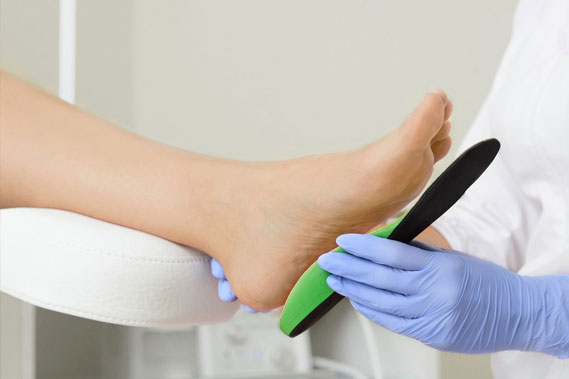
- Custom Foot Orthotics (Insoles)
- Pelvic Floor Therapy
- Physiotherapy
These services may be used individually or alongside musculoskeletal physiotherapy depending on your assessment.
Get Started
If you’re looking for musculoskeletal in Edmonton, Glenridding Physiotherapy can assess your condition and discuss appropriate physiotherapy options.
The process starts with an appointment where your symptoms, movement, physical function, and activity requirements can be reviewed. From there, your physiotherapist can explain the findings and discuss the next steps.
Address: 2049 163 St SW, Edmonton, AB T6W 4V5, Canada
Phone: +1 780-250-4950
Contact Glenridding Physiotherapy to schedule an appointment or ask about musculoskeletal physiotherapy in Edmonton.