
Feeling dizzy or off balance can be unsettling. For many, the culprit may surprise you–your sinuses.
“While vertigo often relates to inner ear problems, sinus issues can sometimes play a part in making your head feel dizzy or lightheaded,” says Arun Sanduja, senior Registered Physiotherapist at Glenridding Physiotherapy. “In fact, it’s well documented that blocked sinuses can lead to vertigo.”
Let’s explore how sinuses can influence vertigo and what steps you can take toward relief.
Understanding Sinuses and Their Role
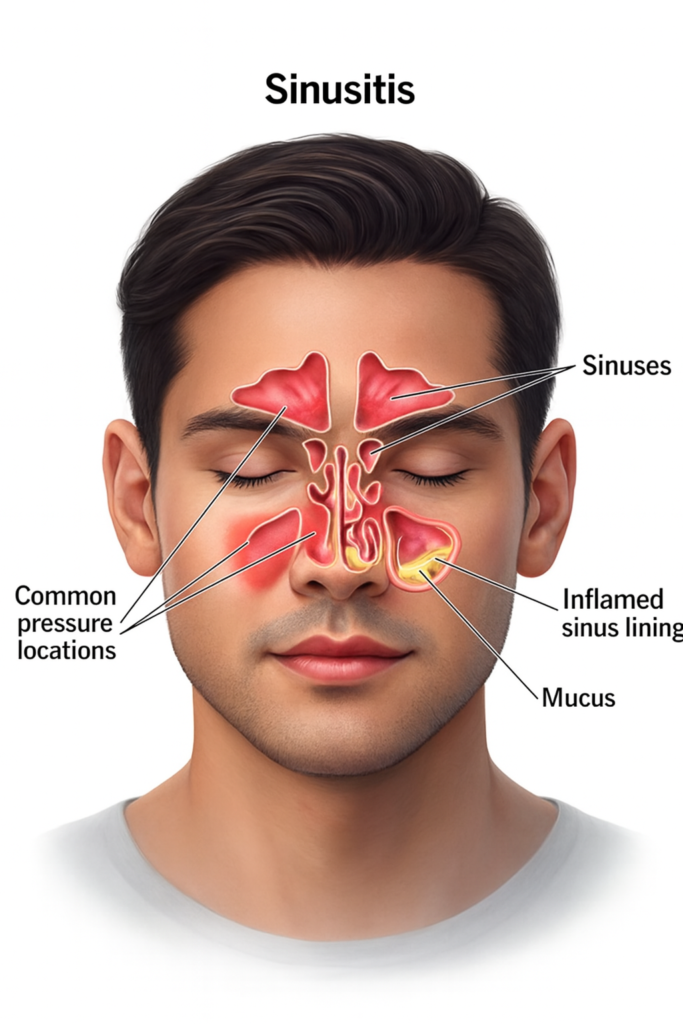
Sinuses are air-filled spaces in your forehead, cheeks, and between your eyes. They help humidify the air you breathe and lighten your skull.
When sinuses get blocked or inflamed, usually due to allergies or infections, pressure builds up. This pressure may affect nearby nerves and structures, sometimes leading to dizziness or imbalance.
How Sinus Problems Might Trigger Vertigo-like Symptoms
- Pressure Changes: Congestion in your sinuses can cause uneven pressure in your head, affecting your sense of balance.
- Inflammation Spread: Sinus inflammation may irritate nearby nerves linked with your ear’s balance system.
- Fluid Build-Up: Sinus infections might cause fluid accumulation, which can impact your inner ear.
- Headache & Lightheadedness: Sinus headaches often come with symptoms like dizziness or a spinning sensation.
Vertigo vs. Dizziness From Sinus Issues
Vertigo is a specific sensation of spinning or motion, usually linked to inner ear disturbances. Sinus-related dizziness often feels more like lightheadedness or general imbalance rather than spinning.
People with sinus-related dizziness may also experience:
- Nasal congestion or runny nose.
- Facial pain or pressure.
- Headaches around the forehead or cheekbones.
- Fatigue from ongoing inflammation.
Understanding this difference helps guide proper treatment and avoid unnecessary worry.
| Open 7 Days a Week Book an appointment immediately and get relief from vertigo Book an Appointment |
When to Seek Help for Sinus-Related Vertigo Symptoms
If dizziness is severe, lasts more than a few days, or comes with other symptoms like hearing loss, ringing in the ears, or difficulty walking, it’s important to get assessed. Sinus issues are common and manageable, but vertigo can indicate other concerns needing professional care.
At Glenridding Physiotherapy, we focus on carefully evaluating dizziness to identify its source and help you regain balance safely and effectively.
How Glenridding Physiotherapy Supports You
Our care goes beyond just treating symptoms. We offer:
- Tailored balance rehabilitation designed around your individual needs.
- Multi-disciplinary approach addressing sinus-related discomfort and its impact on your balance.
- Flexible appointment times, including evenings and weekends, to fit your schedule.
- Direct billing with most insurance companies for a hassle-free experience.
- Compassionate support to guide you at a pace that feels comfortable.
If sinus-related vertigo is disrupting your life, let us help you take back control.
| More reading you might like: – Can Chiropractic Care Help with Vertigo? – The Connection Between Anxiety and Dizziness – What is Dizziness Therapy? |
FAQs: Sinuses and Vertigo
1. Can a sinus infection cause vertigo?
Yes, sinus infections can create pressure and inflammation that may contribute to vertigo-like symptoms, especially if the inner ear is affected.
2. How can I tell if my dizziness is from my sinuses or something else?
Sinus-related dizziness often includes nasal congestion, facial pressure, or headaches. True vertigo usually involves a spinning sensation. A thorough assessment can clarify the cause.
3. Will sinus treatment stop vertigo symptoms?
Treating sinus issues often reduces dizziness linked to inflammation or pressure, but balance-specific care can help if symptoms persist.
4. When is vertigo a sign of a more serious problem?
If dizziness comes with hearing loss, severe headaches, weakness, or difficulty walking, seek prompt medical evaluation.
5. Can physiotherapy help with sinus-related vertigo?
Yes. Physiotherapy can provide balance training and symptom relief strategies to support your recovery while your sinuses heal.
6. How soon should I book an appointment if I experience dizziness?
If dizziness affects your daily routine or lasts more than a couple of days, booking an appointment promptly helps address issues early.
Experiencing dizziness or vertigo can be frustrating, but you don’t have to face it alone. At Glenridding Physiotherapy, we’re here to listen and support your path to steady balance and wellness.