Schroth-Based Scoliosis Physiotherapy in Edmonton
Glenridding Physiotherapy offers individualized scoliosis physiotherapy using principles of the Schroth Method. This specialized, exercise-based approach focuses on scoliosis-specific positioning, postural correction, breathing techniques, muscle activation, and movement control. Treatment is adapted to each individual’s spinal alignment, physical abilities, and rehabilitation goals.
Scoliosis can affect people differently depending on the location and degree of spinal curvature, trunk rotation, and overall physical presentation. Through an individualized assessment and guided exercise program, our physiotherapy team helps you understand your posture and learn movement strategies suited to your condition. Whether you are managing an existing scoliosis diagnosis or exploring exercise-based treatment options, Schroth-based physiotherapy provides a structured approach to scoliosis care.
Treatment That Reflects Your Individual Needs

Scoliosis does not look the same in every person. The location, direction, and pattern of spinal curvature can vary, which is why treatment should consider your individual presentation rather than rely on a general exercise routine.
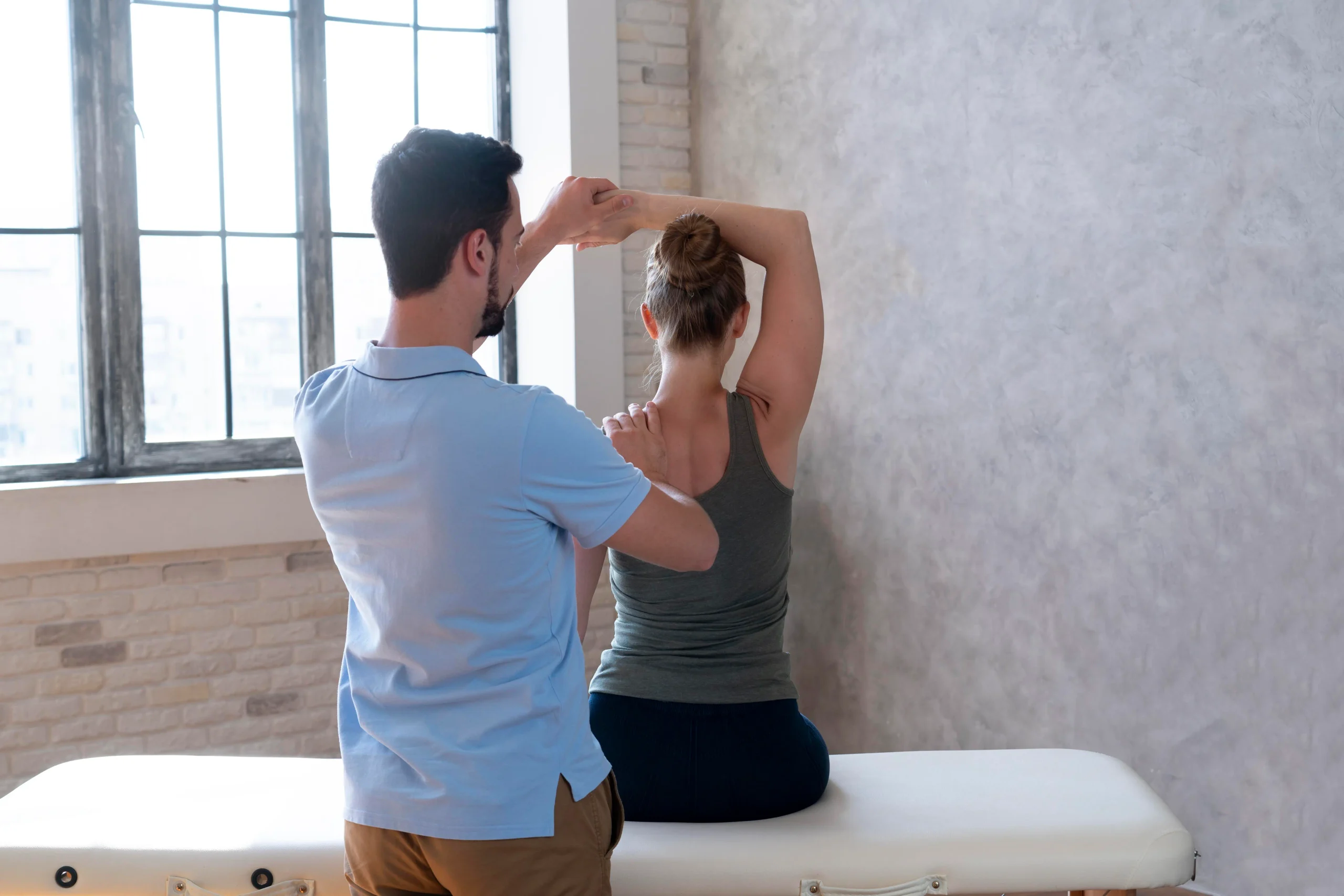
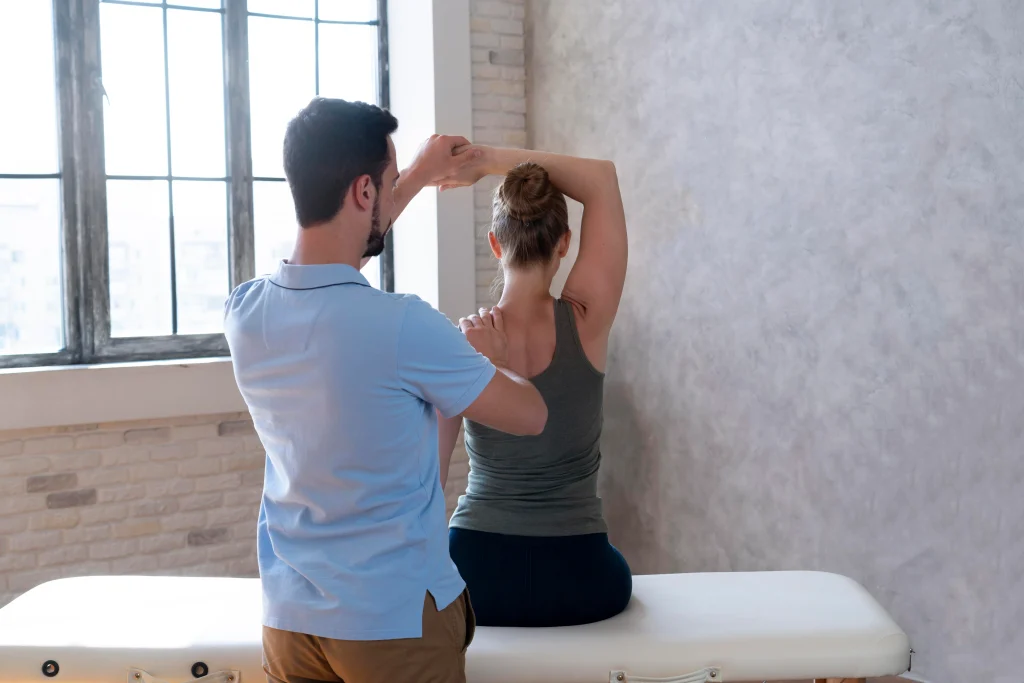
At Glenridding Physiotherapy, your treatment begins with understanding your spinal alignment, posture, movement patterns, and current concerns. Your physiotherapist uses this information to select appropriate exercises and positioning techniques.
01. Understand Your Scoliosis Presentation
Your physiotherapist reviews your medical history, scoliosis diagnosis, posture, trunk position, movement patterns, and relevant mobility. This assessment helps identify areas that may benefit from specific exercise and movement strategies.
02. Learn Individualized Postural Corrections
You will learn positioning techniques and active postural corrections based on your scoliosis presentation. These techniques help develop awareness of your spinal alignment and how you position your body during everyday activities.
03. Develop Strength and Movement Control
Targeted exercises focus on muscle activation, strength, endurance, and stability. Exercise selection and progression are adjusted according to your abilities, comfort, and rehabilitation goals.
04. Practise Between Physiotherapy Sessions
Your physiotherapist may provide a home exercise program that reinforces the techniques introduced during appointments. Regular practice helps you become more familiar with appropriate positioning, breathing, and movement strategies.
Personalized Scoliosis Care
Every Spine Is Different. Your treatment should be, too.
Scoliosis involves more than a sideways spinal curve. It may also include rotation of the vertebrae and changes in trunk positioning. These differences can influence posture, body alignment, and movement.
The Schroth Method follows an individualized approach that considers these variations. At Glenridding Physiotherapy, exercises and correction techniques are selected according to your physical presentation, abilities, and treatment goals.
Your physiotherapy program may include:
- Postural Assessment: Reviewing spinal alignment, shoulder and pelvic positioning, trunk position, and overall posture.
- Individualized Exercises: Selecting scoliosis-specific exercises according to the location and pattern of spinal curvature.
- Breathing Coordination: Incorporating breathing techniques alongside specific positioning and corrective movements.
- Muscle Activation: Working on appropriate muscle engagement to support postural awareness and movement control.
- Exercise Progression: Adjusting exercises as your understanding, strength, coordination, and independence develop.
- Home Exercise Guidance: Providing practical exercises and movement strategies to practise outside the clinic.
This approach allows your physiotherapist to adjust treatment as your needs and abilities change throughout your rehabilitation.
How Does Scoliosis Affect Spinal Alignment?
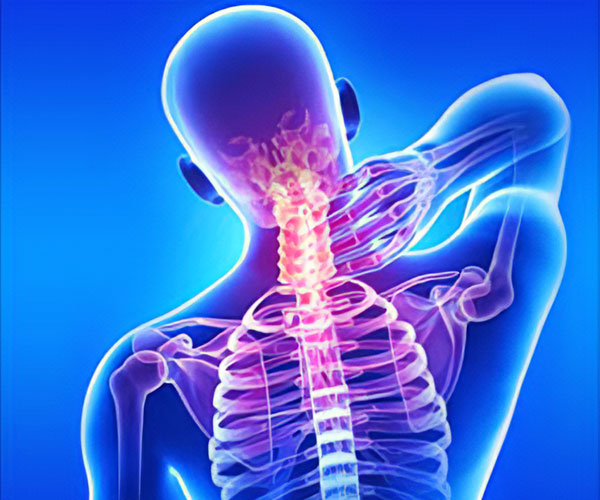
The spine has natural curves that help support the body, maintain balance, and distribute physical loads. When viewed from the side, these curves are visible in the neck, upper back, and lower back. When viewed from behind, a typical spine generally appears relatively straight.
With scoliosis, the spine develops a sideways curvature that may also involve rotation of the vertebrae. This can create changes in the position of the shoulders, rib cage, waist, and pelvis.
The way scoliosis presents varies from one individual to another. Some people may notice uneven shoulders or hips, while others may experience changes in posture or movement.
Understanding these structural and postural differences is an important part of selecting suitable scoliosis-specific exercises. A physiotherapy assessment helps determine which positioning and movement strategies may be appropriate for your presentation.
What Does Schroth-Based Scoliosis Physiotherapy Include?
The Schroth Method is a specialized exercise approach developed for people with scoliosis. It combines scoliosis-specific positioning, breathing techniques, muscle activation, and active postural correction.
Unlike a general strengthening program, Schroth-based physiotherapy focuses on teaching individuals how to recognize their spinal alignment and practise movements that address their particular scoliosis pattern.
Treatment at Glenridding Physiotherapy may include the following components:
01. Active Postural Correction
Learn specific positioning techniques and corrective movements designed around your individual spinal curvature. These exercises focus on developing awareness of body alignment and practising controlled postural adjustments.
02. Breathing Techniques
Breathing is an important component of the Schroth approach. Your physiotherapist may guide you through breathing strategies combined with specific body positions to encourage trunk awareness and coordinated movement.
03. Strengthening and Stabilization
Scoliosis-specific exercises may incorporate muscle activation and strengthening to develop endurance, stability, and control. Exercises are selected according to your physical abilities and progressed as appropriate.
04. Home Exercise Program
Your physiotherapist may recommend exercises to practise between appointments. Following your home program helps reinforce the positioning, breathing, and movement techniques introduced during clinic sessions.
Who May Benefit from Schroth-Based Scoliosis Physiotherapy?
Schroth-based physiotherapy may be considered for individuals who have been diagnosed with scoliosis and are looking for an exercise-based approach to managing their condition.
It may be suitable for:
- Adolescents with a scoliosis diagnosis.
- Adults living with scoliosis.
- Individuals interested in improving postural awareness.
- People looking to learn scoliosis-specific exercise techniques.
- Individuals seeking guidance on movement, positioning, and strengthening.
Treatment suitability depends on your individual condition, scoliosis presentation, and clinical assessment. Schroth-based exercises are not a replacement for medical monitoring or other recommended scoliosis treatments when these are necessary.
Scoliosis Physiotherapy at Glenridding Physiotherapy
Managing scoliosis involves understanding your individual spinal alignment, learning appropriate movement strategies, and following an exercise program suited to your needs.
At Glenridding Physiotherapy, our approach to Schroth-based scoliosis care focuses on individualized assessment, guided exercises, postural awareness, and practical home exercise recommendations. Your physiotherapist will work with you to establish suitable treatment goals and adjust your exercise program according to your progress and abilities.
If you are looking for Schroth-based scoliosis physiotherapy in Edmonton, contact Glenridding Physiotherapy to learn more about the assessment process and available treatment options.
Book an appointment with Glenridding Physiotherapy to discuss your scoliosis-related concerns and explore an individualized physiotherapy approach.